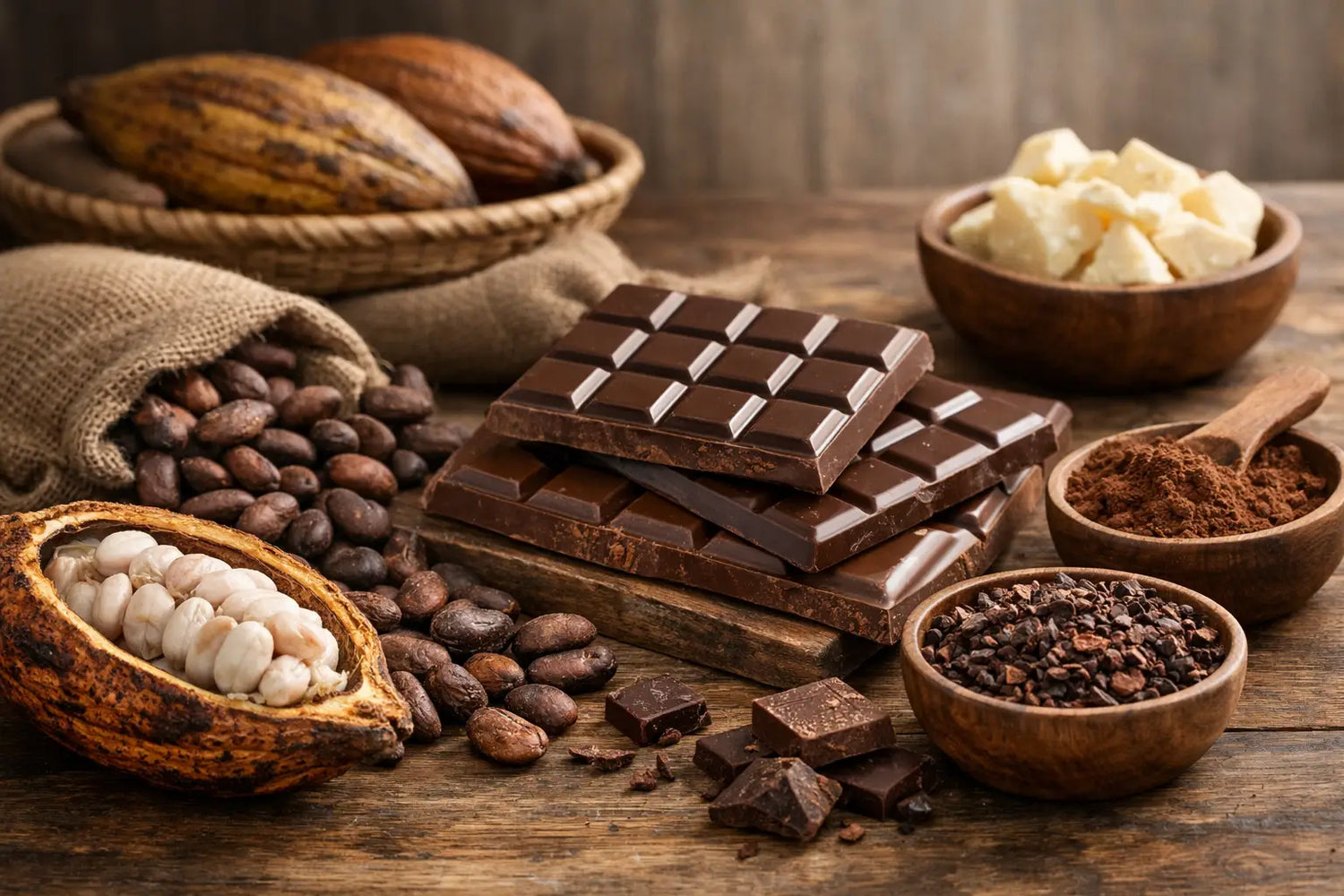
Most chocolate labels tell you very little about how the chocolate was actually made. You might see a country of origin, a cacao percentage, or polished packaging, but none of that guarantees that the maker handled the beans themselves. That is where a bean to bar chocolate guide becomes useful. It helps you understand what separates true chocolate making from chocolate finishing, and why that difference shows up in flavor, texture, ethics, and value.
Bean to bar is not a marketing flourish. In its real sense, it means the chocolate maker starts with raw cacao beans and controls the transformation in-house. The maker sorts, roasts, cracks, winnows, refines, and conches the cacao before tempering and molding the final bar. That level of control matters because every step affects the finished chocolate.
What bean to bar chocolate really means
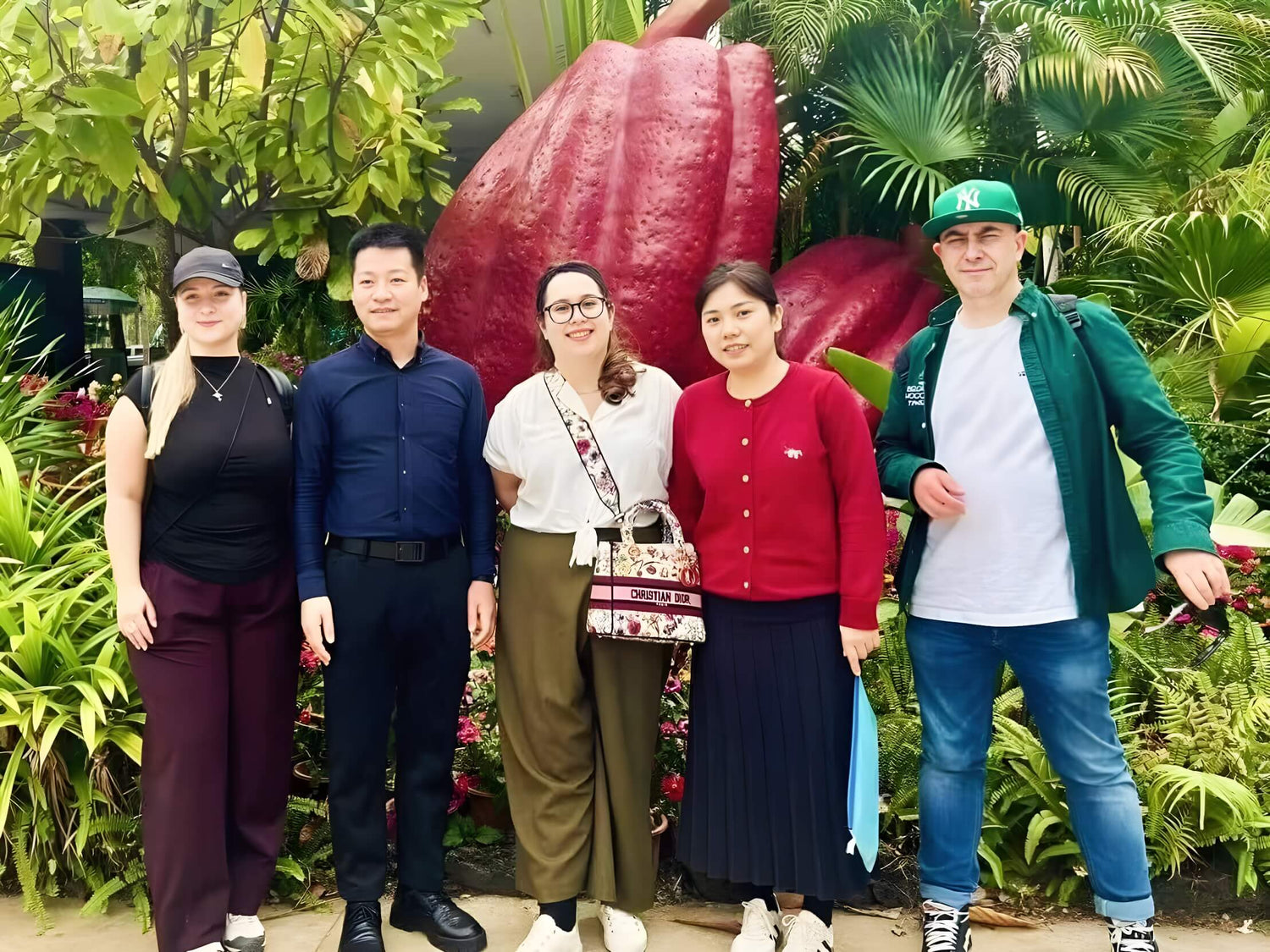
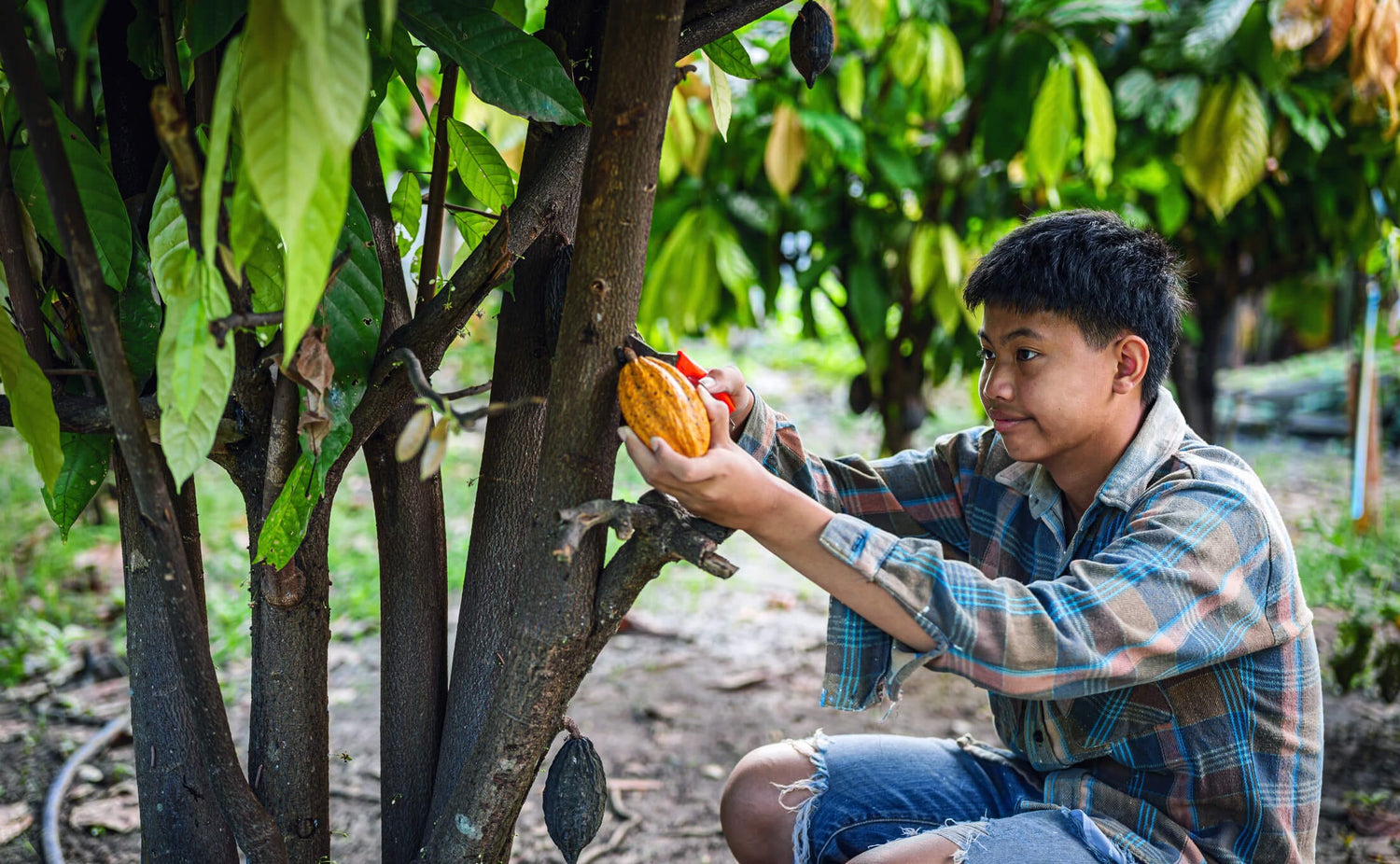
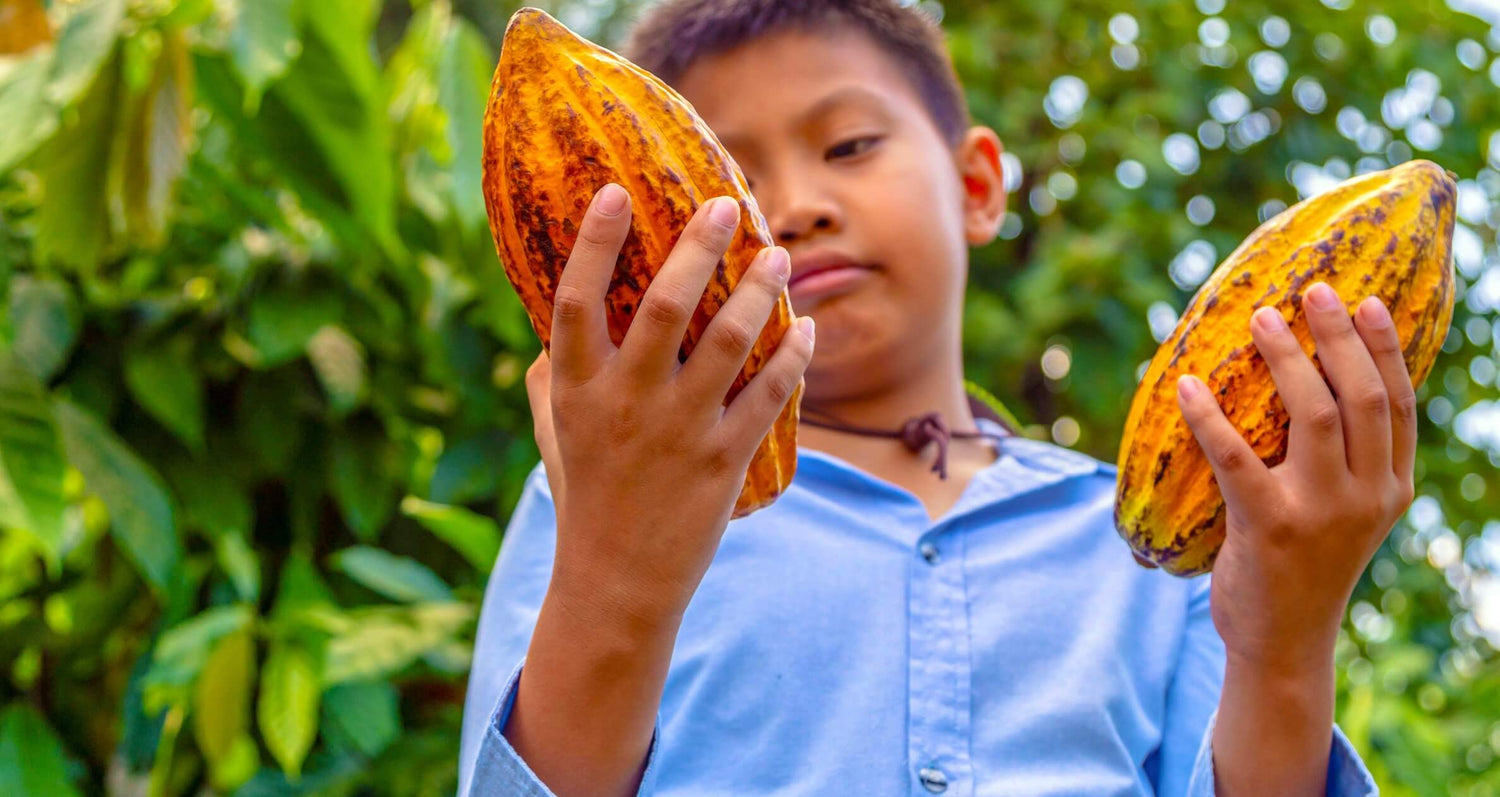
A bean-to-bar maker does not begin with industrial chocolate that has already been produced elsewhere. Instead, the process begins with cacao beans sourced from a specific farm, cooperative, or region. Those beans arrive with their own character, shaped by variety, fermentation, drying, climate, and post-harvest handling.
Once the beans reach the workshop, the maker decides how to roast them to reveal their best qualities. A gentle roast may preserve fruit and floral notes. A deeper roast may bring out nuttier, warmer flavors. There is no single correct profile. It depends on the bean and on the style of chocolate the maker wants to express.
This is one of the clearest distinctions between bean to bar and conventional chocolate production. When a chocolatier works with ready-made couverture, many of the key flavor decisions have already been made by someone else. Skill still matters at the finishing stage, especially for bonbons, pralines, and ganaches, but the chocolate itself was not developed from the bean upward.
A bean to bar chocolate guide to the making process
If you want to buy with confidence, it helps to know what happens between harvest and finished bar. The phrase sounds simple, but the work behind it is exacting.
Sourcing and traceability
Good bean to bar chocolate starts long before roasting. Makers who care about quality look closely at origin, harvest conditions, fermentation methods, and relationships with growers or trusted import partners. Traceability matters for ethical reasons, but also for taste. If a maker can identify where the beans come from and how they were handled, the result is usually more consistent and more expressive.
This does not always mean the smallest farm or the most exotic origin is best. Sometimes a well-organized cooperative produces excellent cacao with strong quality control. What matters is transparency and a serious approach to sourcing.
Roasting, cracking, and winnowing
Roasting develops flavor and reduces moisture. Then the beans are cracked so the brittle shells can be separated from the nibs. That shell removal, called winnowing, has a practical purpose, but it also affects cleanliness and final texture. Poor winnowing can introduce bitterness or roughness.
Refining and conching
The nibs are ground into chocolate liquor, then refined with ingredients such as sugar and, depending on the recipe, cocoa butter or milk. Refining reduces particle size, which gives chocolate its smooth feel. Conching follows, using time, heat, and movement to mellow acidity, integrate texture, and further shape flavor.
These steps are often where craftsmanship becomes obvious. Chocolate can be technically correct and still taste flat. It can also be ambitious but poorly refined, leaving a gritty texture that distracts from the bean’s natural character. Fine chocolate should feel deliberate, not simply rustic.
Tempering and molding
Tempering gives chocolate its gloss, clean snap, and stable structure. It is easy to overlook because it happens near the end, but poor tempering can undo excellent work. A well-made bar should break cleanly, melt evenly, and deliver flavor in stages rather than all at once.
Why bean to bar tastes different
The biggest surprise for many buyers is that bean to bar chocolate does not have one single flavor profile. It is not defined by intensity alone. It can be bright, floral, creamy, nutty, spiced, red-fruited, or deeply cocoa-driven, depending on origin and process.
This is where the analogy to wine or coffee can be helpful, up to a point. Cacao also reflects terroir, fermentation, and craft decisions, but chocolate is its own category. Sugar level, roast style, cocoa butter content, and conching time all influence the final expression. A bar from Madagascar might show vivid fruit notes, while one from Peru or Uganda may lean more toward nuts, spice, or darker cocoa tones. The point is not that one is better. The point is that the chocolate tastes of something specific rather than generically sweet.
There are trade-offs here. Some buyers prefer the round, familiar profile of conventional luxury chocolate, and that preference is valid. Bean to bar can be more distinctive and more revealing, which also means it can feel less uniform from one origin to another. If you want chocolate that tells you where it came from, variation is part of the appeal.
How to read a bar like a careful buyer
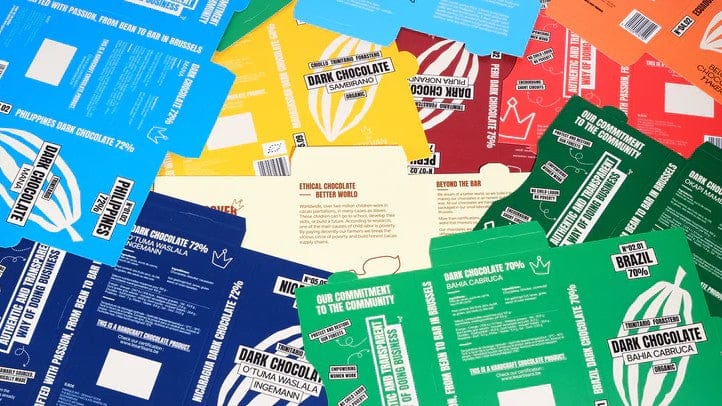
A thoughtful label often reveals whether the maker is serious. Look for details about origin, ingredients, and production method. If the wrapper names a country, region, farm, or cooperative, that is usually more meaningful than vague premium language. If the ingredients are short and clear, that is another good sign.
Cacao percentage matters, but not in the way many people assume. Higher percentage does not automatically mean finer chocolate. An excellent 60 percent bar can be more balanced and more complex than a poorly made 75 percent bar. Percentage tells you the proportion of cacao ingredients to sugar and, in milk chocolate, dairy. It does not tell you whether the cacao was beautifully sourced or skillfully processed.
Ingredient quality matters just as much. Fine bean to bar chocolate tends to avoid unnecessary additives. That does not mean every inclusion is unwelcome. Vanilla, milk, nuts, spices, or fruit can all be used with elegance. What matters is whether those ingredients support the chocolate rather than cover it up.
Bean to bar and ethical value
One reason buyers seek out bean to bar makers is the promise of greater transparency. That promise should be taken seriously, not romantically. Direct trade claims vary, and ethical sourcing is not solved by a label alone. Still, makers who work closely with traceable cacao generally have a stronger connection to the supply chain than brands purchasing anonymous bulk chocolate.
That can lead to better outcomes - more visibility into origin, more accountability, and often a stronger incentive to pay for quality. It also creates a more honest product story. When a maker can tell you where the beans came from and why they chose them, that usually reflects real engagement rather than decorative branding.
For gift buyers, this matters more than many realize. A box or bar feels more meaningful when the product carries genuine craft and provenance. Premium presentation has value, but substance gives it credibility.
Who bean to bar chocolate is for
Bean to bar is not only for specialists. It suits anyone who wants chocolate with a clear sense of place and process. If you enjoy tasting differences, if you care where ingredients come from, or if you want a gift that feels considered rather than generic, it is a strong choice.
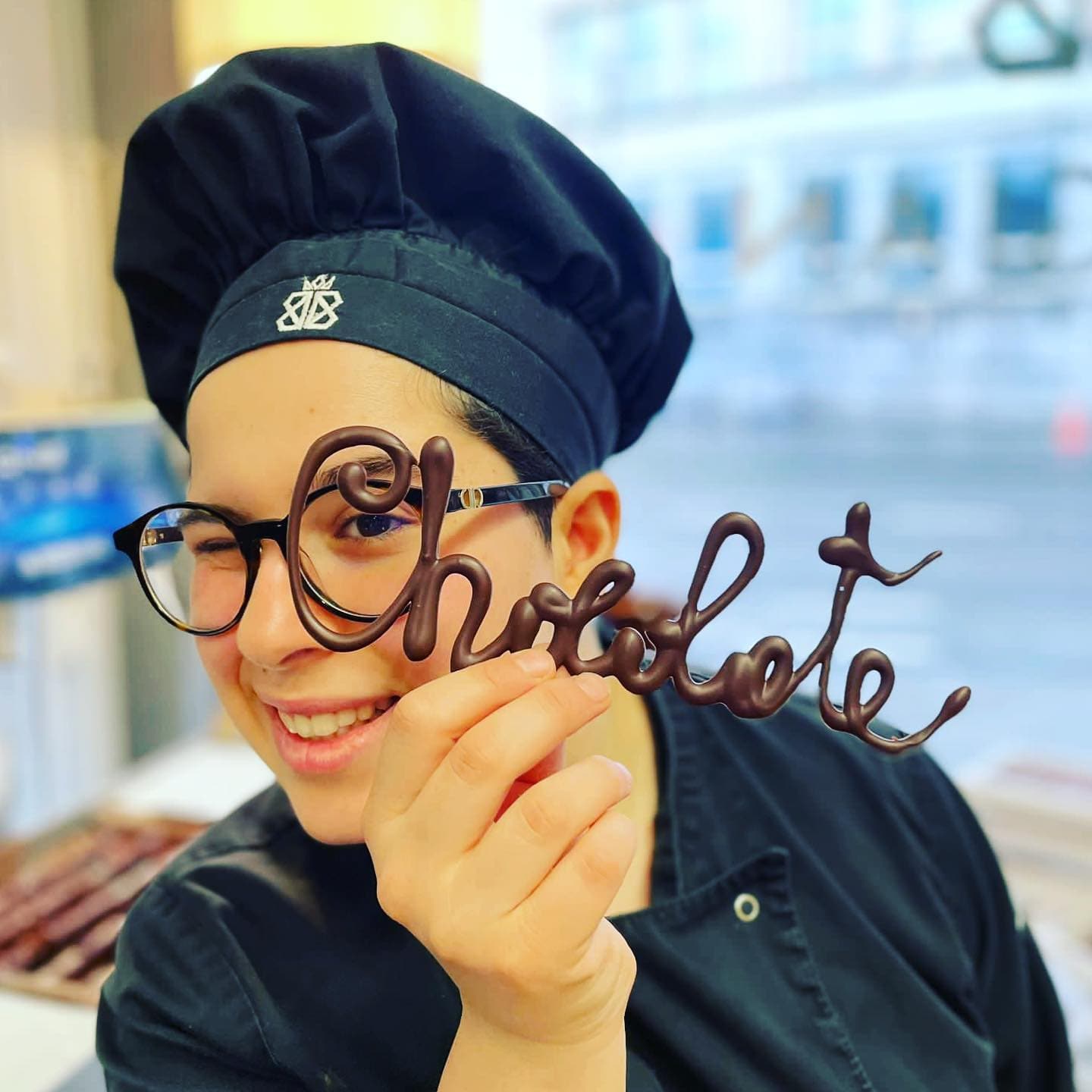
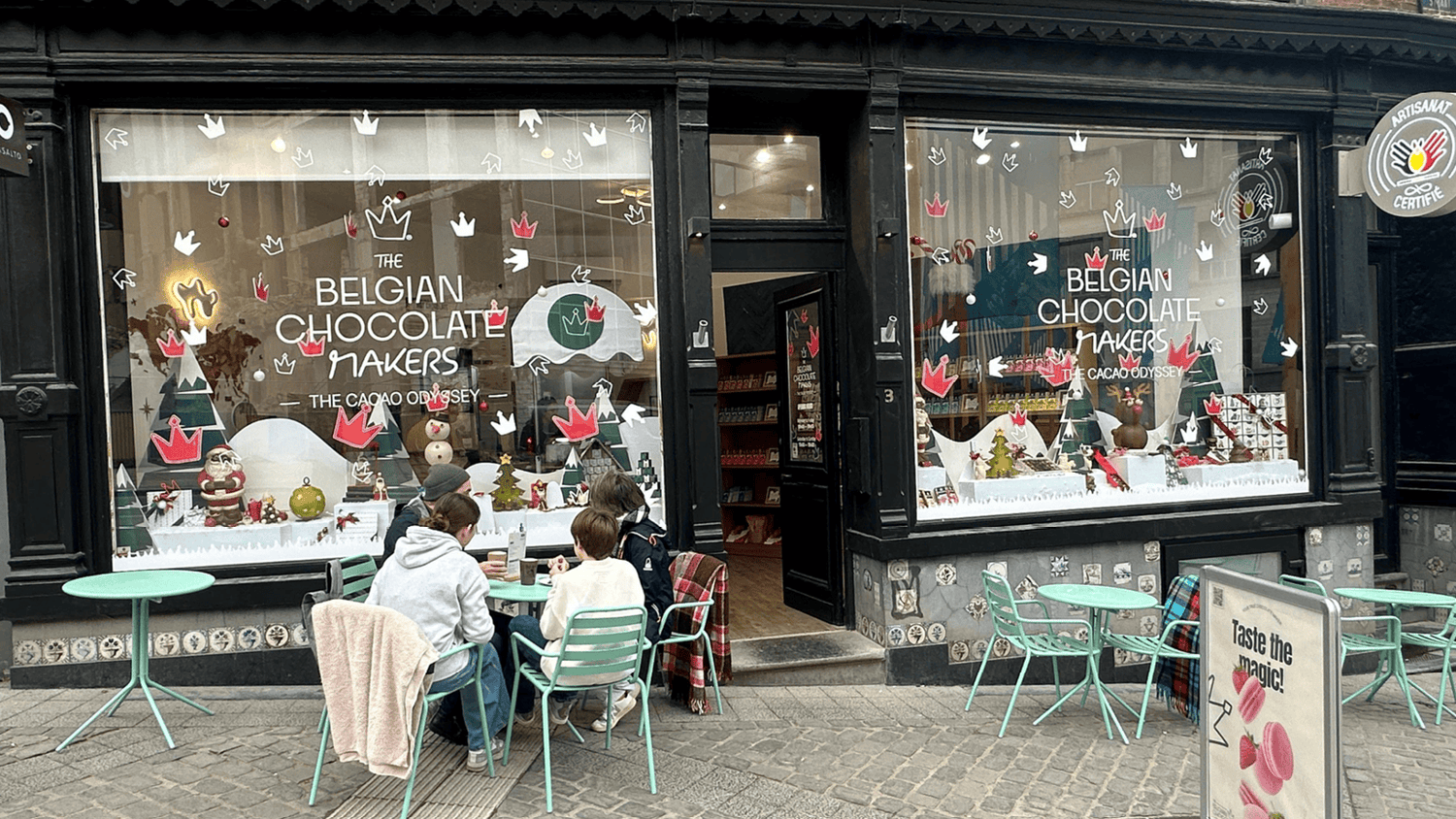
It is also a natural fit for people who love Belgian chocolate heritage but want a more transparent, workshop-driven expression of it. In Brussels, The Belgian Chocolate Makers represents that shift well - rooted in serious chocolate craftsmanship, but centered on making the chocolate itself from carefully selected beans rather than relying on industrial couverture.
For newcomers, the best approach is simple. Start with a few bars from different origins or percentages. Taste slowly. Notice aroma, snap, melt, and finish. You do not need a trained palate to recognize when a chocolate has depth and when it has been made with care.
What this bean to bar chocolate guide should help you remember
The phrase bean to bar is worth paying attention to because it points to real work. It signals that the maker has taken responsibility for flavor, texture, and sourcing from the start of the process, not just the final decoration. That does not make every bean-to-bar bar exceptional, but it does give you a better framework for judging quality.
The next time you choose chocolate, look beyond the wrapper and ask a more useful question: who actually made the chocolate, and from what? Once you start buying with that question in mind, better chocolate becomes much easier to find.