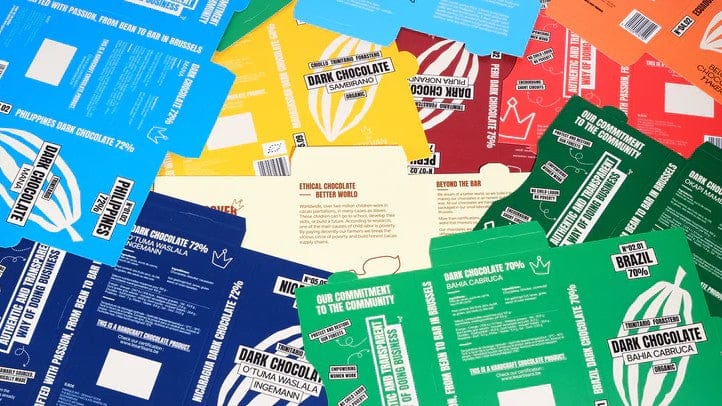
A square of chocolate can taste of red fruit, toasted nuts, warm spice, or deep cocoa richness before any filling or flavoring is added. That is the clearest way to understand how single origin chocolate differs. It is chocolate made from cacao sourced from one specific country, region, farm, or cooperative, allowing the character of that place to remain visible in the finished bar.
For anyone used to standard chocolate, that can be a surprise. Many chocolate products are designed for consistency above all else. Beans from multiple origins are blended to create a familiar profile year after year. Single origin chocolate takes a different path. It values distinction over uniformity and invites the taster to notice where the cacao comes from, how it was handled, and what the maker chose to preserve.
How single origin chocolate differs in the cup and on the palate
The most immediate difference is flavor. Single origin chocolate often has a more identifiable taste profile because the cacao is not being averaged out through broad blending. A bar made with beans from Madagascar may show bright citrus or berry notes, while cacao from Peru might lean floral and elegant, and beans from Uganda can present fuller cocoa depth with dried fruit or spice.
That does not mean single origin automatically tastes better. It means it tastes more specific. Some people prefer the round, familiar comfort of a well-made blend. Others want the clarity and variation that come from tasting chocolate with a strong sense of place. Both approaches can be excellent, but they deliver different experiences.
Texture can differ as well, though people often assume that comes only from origin. In reality, texture is shaped heavily by the maker's process - roasting, refining, conching, and tempering all matter. A skilled bean-to-bar producer can reveal origin while still creating a polished, refined mouthfeel. Without that craftsmanship, even remarkable cacao can fall flat.
Origin is not a marketing detail
In mass-market chocolate, origin claims can sometimes feel decorative. In true single origin chocolate, origin is foundational. It tells you that the maker has chosen to keep one source separate rather than folding it into a generic blend.
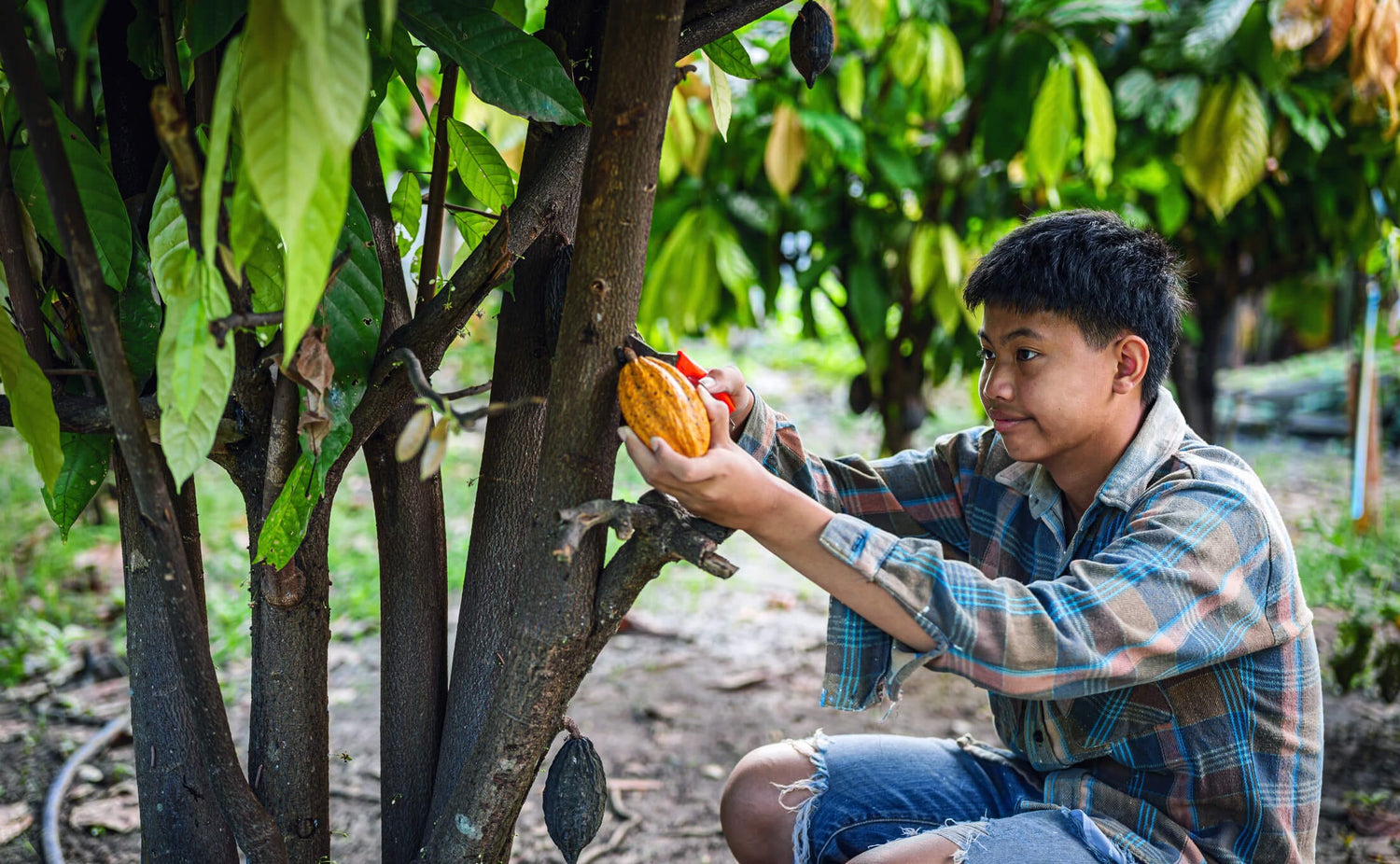
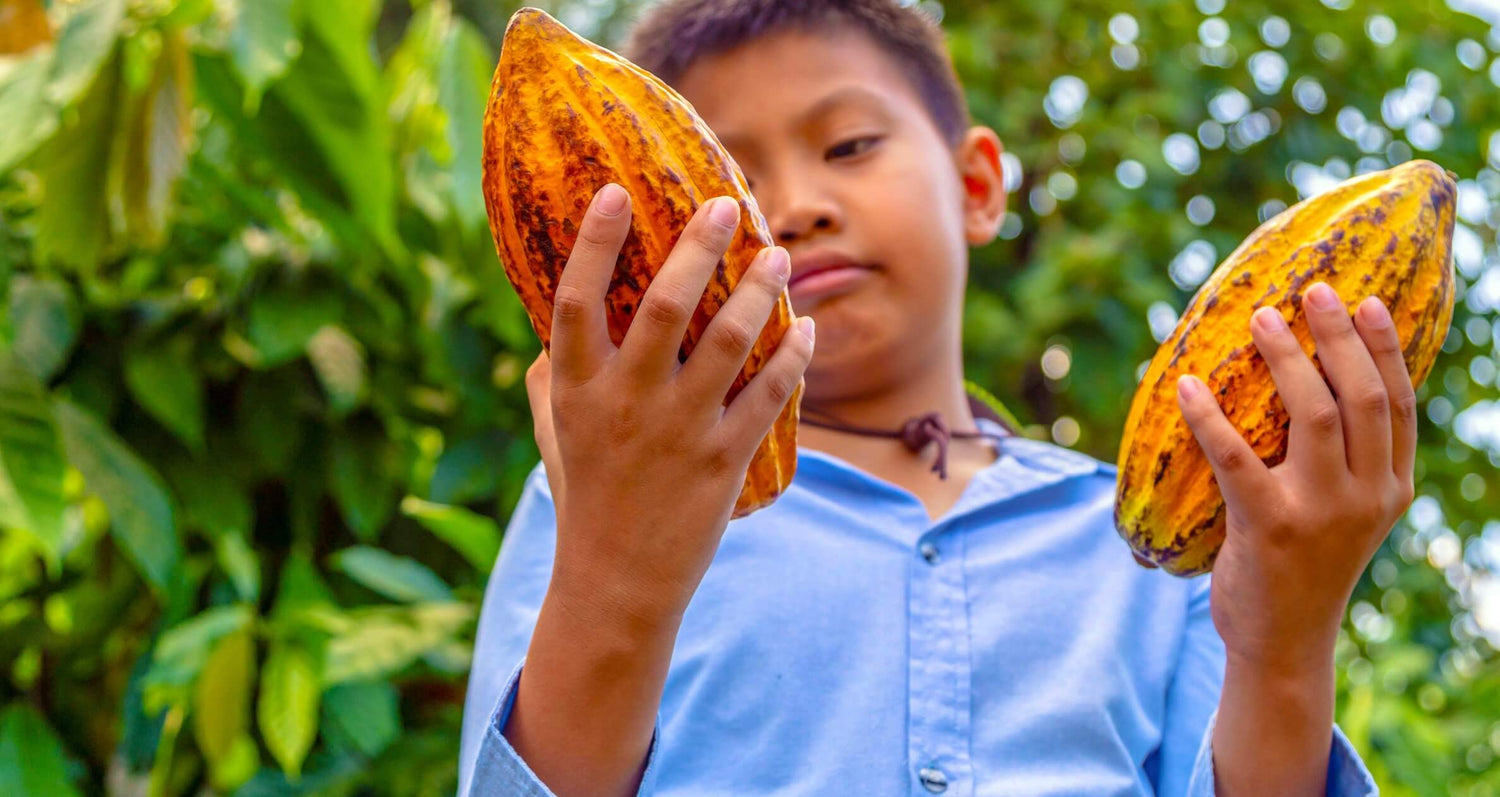
That matters because cacao is an agricultural product. Like wine grapes or coffee cherries, it reflects variety, soil, climate, fermentation practices, and drying conditions. The term terroir is often used here, and while chocolate should not borrow prestige from other categories too casually, the idea is useful. Cacao grown in different environments develops different aromatic potential.
When a chocolate maker labels a bar by origin, the promise is not just geographic. It is sensory and ethical. You are being shown where the cacao began, and that traceability creates a stronger basis for trust.
Country, region, farm, or cooperative
Not every single origin bar is equally specific. Some name only a country. Others identify a region, a valley, a farm, or a producer group. Greater specificity can be meaningful, but only if it reflects real sourcing transparency rather than packaging language.
A country-level origin can still be valuable, especially in places where fine cacao from one area shares broad flavor traits. At the same time, a farm-designated bar may offer a more precise expression of the cacao and the producer's work. The key question is whether the maker actually understands and preserves the identity of that source.
How single origin chocolate differs from blended chocolate
Blending is not the villain of chocolate. In fact, blending is one of the classic tools of chocolate making. It allows producers to build balance, reduce seasonal variation, and create a stable house style. That is part of why many consumers associate chocolate with a dependable flavor profile.
Single origin chocolate steps away from that model. Rather than shaping multiple bean lots into one unified taste, the maker works with a narrower source and accepts its particular strengths and limits. If the cacao is naturally bright, the chocolate may stay bright. If it is dense and earthy, the finished bar may lean that way too.
This creates a more transparent product, but also a more demanding one. The cacao has less room to hide, and so does the maker. Poor fermentation, imprecise roasting, or over-conching can erase the very character that single origin is meant to showcase. When done well, though, the result is chocolate with more definition and personality.
Consistency versus character
One practical difference for buyers is consistency. A blended chocolate is usually designed to taste very similar from batch to batch. Single origin chocolate may vary slightly by harvest, lot, or season.
That variation is not a flaw. It is part of the point. Still, it helps to understand it before gifting or buying repeatedly. If you want a chocolate that expresses the natural character of cacao, some variation is a sign of authenticity. If you want the exact same profile every time, a blend may suit you better.
Craftsmanship matters as much as origin
Single origin is not a shortcut to quality. A mediocre maker can buy good beans and still produce ordinary chocolate. The craft lies in what happens after sourcing.
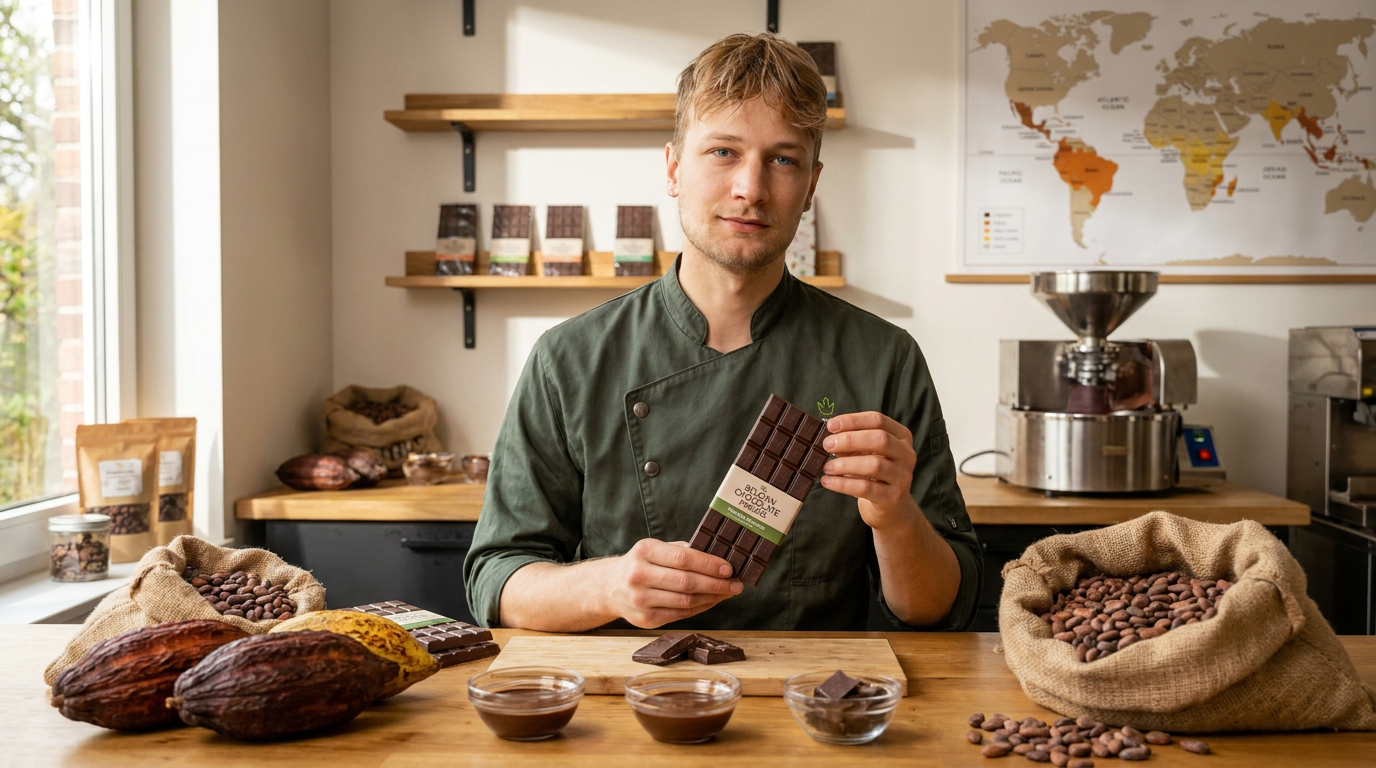
Bean-to-bar production gives the maker control over each stage: sorting, roasting, cracking, winnowing, refining, conching, tempering, and molding. That control matters because each decision influences how the origin will appear in the final bar. Roast too lightly and the chocolate may taste underdeveloped. Roast too aggressively and delicate fruit or floral notes may disappear.
This is where artisan chocolate distinguishes itself from conventional chocolate manufacturing. When the same team manages the transformation from raw bean to finished bar, origin can be handled with precision rather than treated as a label added later. For a serious chocolate buyer, that level of in-house production is one of the strongest signals of integrity.
Traceability changes the buying decision
For many shoppers, flavor is only half the story. Another part of how single origin chocolate differs is traceability. Knowing where cacao comes from allows a more informed view of sourcing relationships, farming communities, and ethical standards.
That does not mean every single origin bar is automatically ethical. Origin transparency and ethical excellence are related, but not identical. A maker still has to source responsibly, pay attention to long-term relationships, and communicate honestly about what they know. Still, single origin often creates better conditions for transparency because it narrows the chain and makes the source visible.
For gift buyers, this matters more than it once did. A beautifully wrapped bar is appealing, but a chocolate gift carries more meaning when it reflects genuine craftsmanship and responsible sourcing. People increasingly want products that feel considered, not just luxurious.
How to taste the difference without overthinking it
The best way to understand single origin chocolate is to taste two or three bars side by side. Start with plain dark chocolate rather than filled pralines or flavored bars, since inclusions can mask the cacao's profile.
Let a piece melt slowly instead of chewing immediately. Notice the opening impression, then the flavors that develop after a few seconds. Some bars begin with cocoa intensity and open into fruit, honey, or spice. Others stay grounded in roasted nuts, caramel, or woodier notes. There is no need for dramatic tasting vocabulary. What matters is noticing that the flavors are distinct, not generic.
If possible, compare a single origin bar with a blended bar of similar cocoa percentage. That removes one common source of confusion. People often think the percentage alone determines flavor, when in fact origin and process can have just as much influence.
A note on sweetness and cocoa percentage
Higher percentage does not always mean better quality or more complex flavor. Some single origin bars sing at 70 percent. Others become more expressive at 60 or 65 percent, where a little more sugar allows the cacao's aromatic notes to appear more clearly.
This is worth remembering when shopping for yourself or for someone else. The right bar depends on taste preference. A bold, bitter style may impress one person and overwhelm another. Good chocolate should feel balanced, not punishing.
Why this matters beyond the label
Single origin chocolate asks more of the maker and offers more to the buyer. It invites attention to cacao as an ingredient with identity, not just as a vehicle for sweetness. It also rewards the people who care how chocolate is made, where it begins, and whether the final product reflects real skill.
For an artisan maker, single origin is a statement of confidence. It says the beans are worth preserving and the workshop has the discipline to reveal them clearly. For the customer, it turns a familiar pleasure into something more memorable - whether you are choosing a bar for personal enjoyment, assembling a refined gift, or simply looking for chocolate with a stronger sense of truth.
The next time you taste a piece that seems unusually vivid or precise, pause before calling it just dark chocolate. It may be showing you exactly where it comes from, and that is often where the pleasure begins.