A well-made single origin bar can taste of bright red fruit, toasted nuts, honey, citrus, warm spices, or deep cocoa. None of those notes need flavoring. They are the natural expression of cacao, shaped by where it grew and by the choices made after harvest. Learning how to taste single origin chocolate gives those details room to appear.
This is not a test of expertise, and it is not about finding the one “correct” answer. It is a slower way to enjoy chocolate and understand why two bars with the same cacao percentage can taste entirely different. A bar made from carefully selected beans in a Brussels bean-to-bar workshop carries the story of the cacao long before it reaches its wrapper.
What single origin means in a chocolate bar
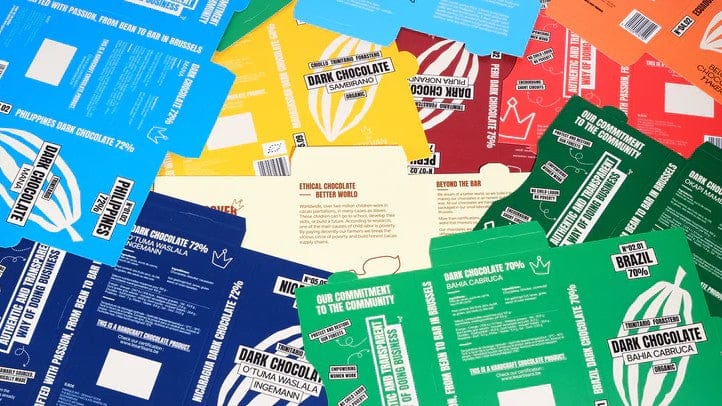
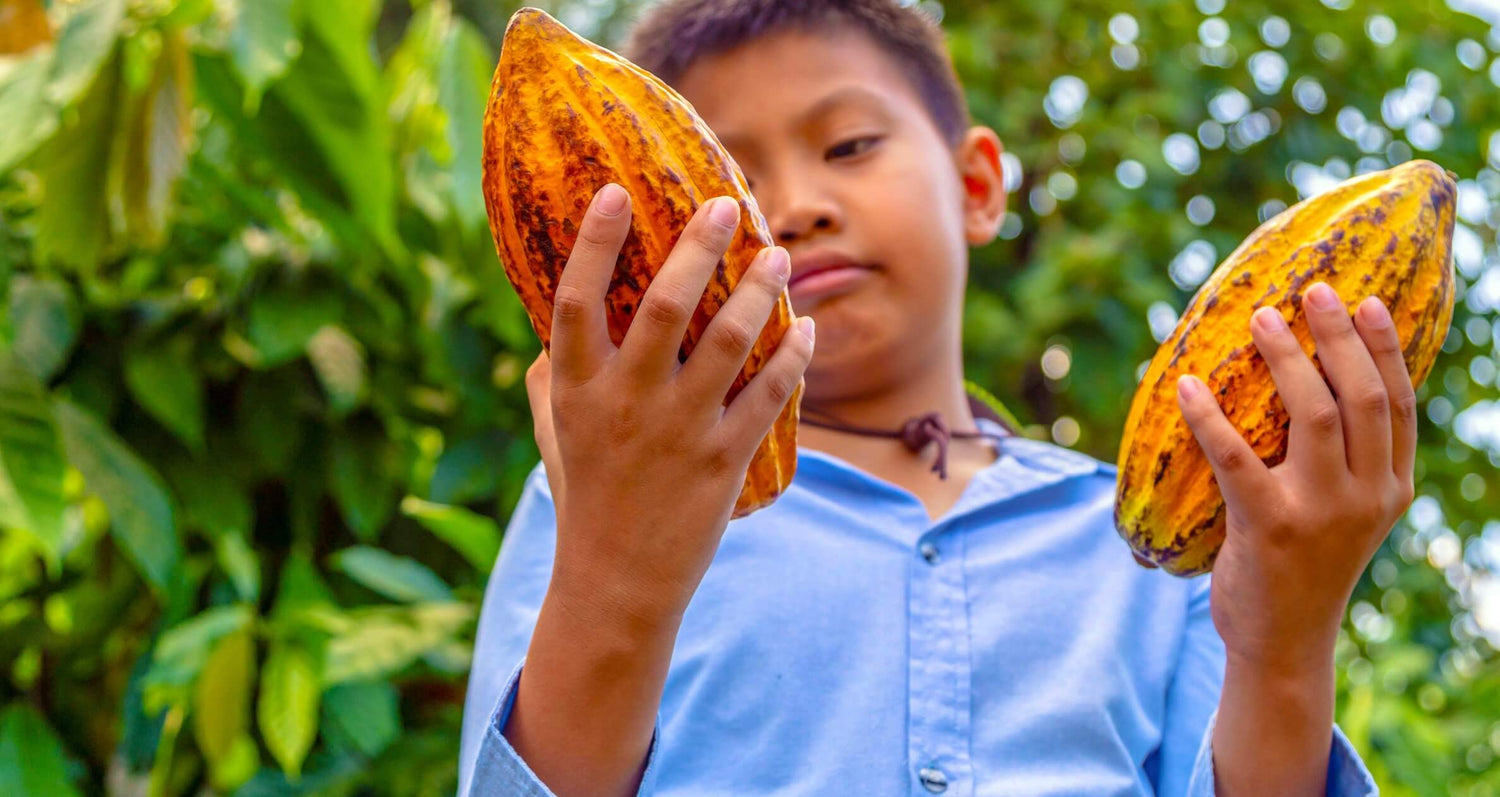
Single origin chocolate is made with cacao from one defined place. Depending on the maker, that may mean a country, a region, a cooperative, or a single estate. The more precise the sourcing information, the more clearly a chocolate maker can communicate the cacao’s provenance.
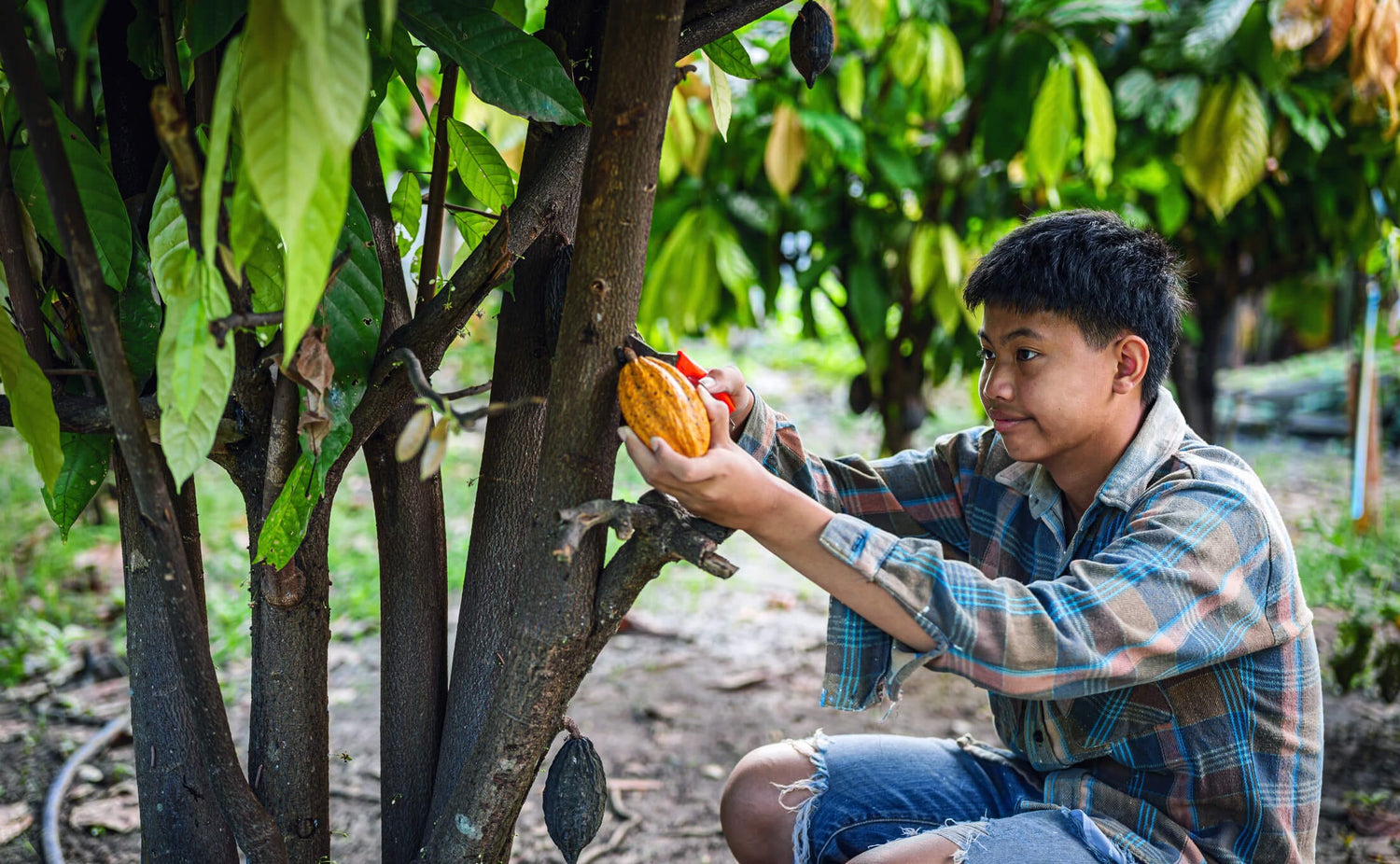
Origin matters because cacao responds to its environment. Soil, rainfall, local varieties, and growing conditions influence the beans. Just as significant are the human decisions around fermentation and drying. These steps begin developing flavor at origin, before the beans travel to the chocolate workshop.
Still, origin is not the whole story. Roasting, refining, conching, and the balance of cacao and sugar can either preserve a bean’s character or cover it. A thoughtful bean-to-bar maker aims for a profile that feels clean, balanced, and true to the cacao, rather than forcing every origin into the same dark, roasted style.
Prepare to taste, not just snack
Chocolate is often eaten quickly, sometimes after coffee, wine, or a strongly flavored meal. That is enjoyable, but it makes subtle tasting difficult. Give a single origin bar a quiet moment instead.
Taste at room temperature, ideally around 68 to 72°F. If the bar has been stored somewhere cool, let it rest unopened for 15 to 20 minutes. Chocolate that is too cold stays hard and releases less aroma; chocolate that is too warm can feel soft and greasy before its flavor has a chance to develop.
Use a clean palate. Water is usually enough. Avoid tasting immediately after mint, spicy food, citrus, perfume, or heavily roasted coffee. If you are comparing several bars, begin with the lighter or gentler profile and work toward darker, more intense bars.
A small square is all you need. The goal is attention, not quantity.
How to taste single origin chocolate step by step
Look for a clean finish and even color
Before you break the bar, look at its surface. A well-tempered bar should have an even sheen and a clean appearance. Its color can range from reddish brown to deep mahogany, but darkness alone does not tell you whether a chocolate is better, stronger, or more refined.
Pale streaks or a dusty gray cast may indicate bloom, which can happen when cocoa butter or sugar shifts during storage. Bloom is usually harmless, but it can affect texture and appearance. For a proper tasting, choose a bar that has been stored carefully and is in its best condition.
Listen for the snap
Break off a square close to your ear. A crisp snap is a useful sign of good tempering and a stable cocoa butter crystal structure. It is especially noticeable in dark chocolate.
A softer break does not automatically mean poor chocolate. Milk chocolate, bars with inclusions, and warmer chocolate may naturally snap less sharply. Think of this step as one clue among many, not a verdict.
Smell the chocolate before it melts
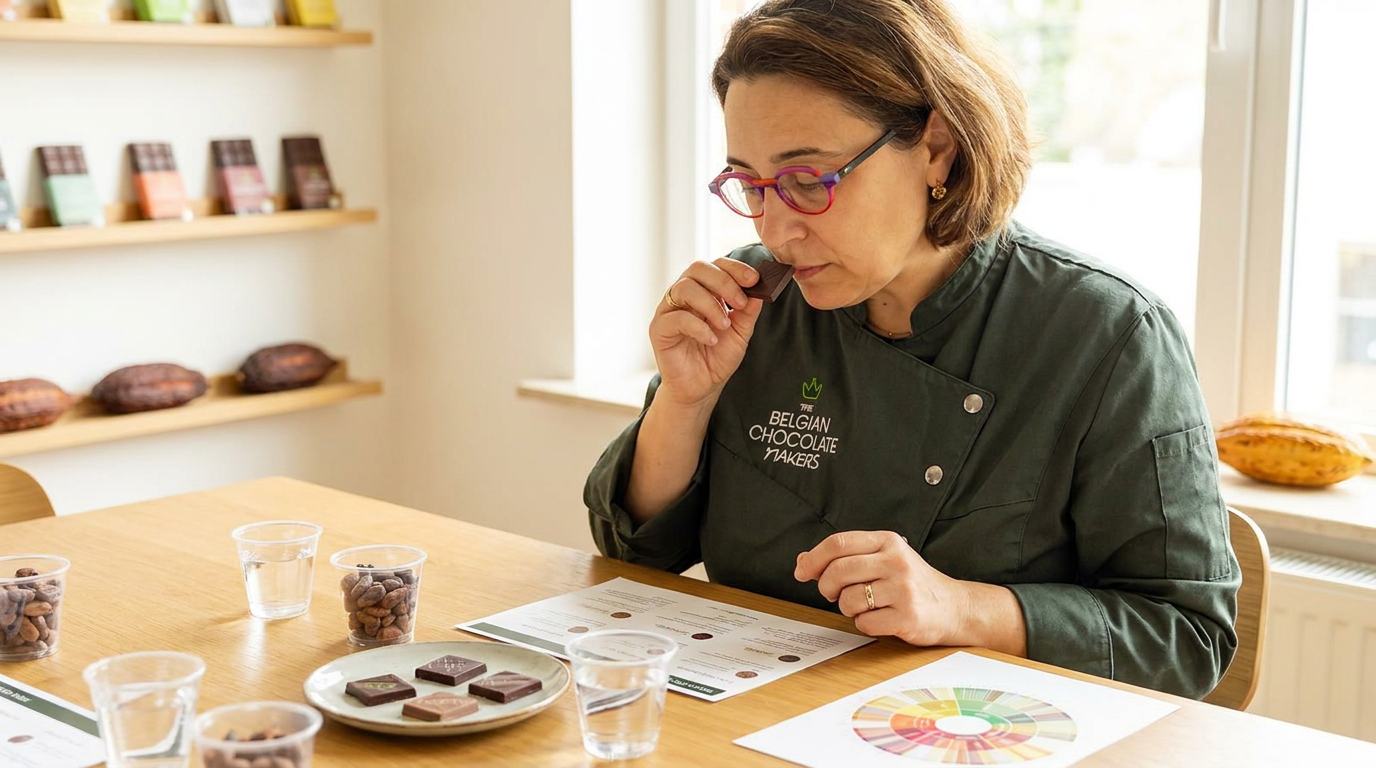
Bring the broken edge to your nose and take two or three gentle breaths. The freshly exposed surface releases more aroma than the smooth face of the bar.
Try not to search too hard for a named flavor right away. First notice the overall impression. Does it smell floral, earthy, nutty, fruity, malty, or deeply cocoa-forward? Some origins offer a clear scent of dried fruit or citrus. Others may be more subtle, with notes of fresh wood, cream, or warm baking spice.
Aroma is not a promise that the same note will be obvious on the palate. It is an invitation to pay attention as the chocolate melts.
Let it melt slowly
Place a small piece on your tongue and resist chewing for a few seconds. Let your body heat begin the work. As cocoa butter melts, it carries aromatic compounds across the palate and reveals the chocolate’s texture.
Notice whether the chocolate feels silky, creamy, powdery, dry, or slightly astringent. Fine chocolate should melt smoothly, though a very high-cacao bar may retain a firmer, more intense structure. A little astringency can be part of an origin’s personality. Excessive harshness, grittiness, or a waxy finish can suggest that the balance or refining needs improvement.
After a moment, gently press the chocolate against the roof of your mouth. Then take a small breath in through your nose. This brings aroma from the mouth to the nose and makes the flavor more distinct.
Follow the flavor from first note to finish
Good chocolate changes as it melts. The first impression may be tart fruit, caramel, or roasted cacao. The middle can become fuller and rounder, perhaps with nut, honey, biscuit, or spice notes. The finish may be clean and lingering, or it may leave a dry, smoky, bitter, or fruity echo.
Ask yourself a few simple questions: What did I notice first? Did the flavor become sweeter or more acidic? Did the finish feel clear and pleasant? What stayed with me after the chocolate was gone?
There is no need to force yourself to taste “blackberry” if what you notice is simply bright fruit. Descriptive language is useful only when it helps you remember and compare. “Fresh and tangy,” “warm and nutty,” or “deep and earthy” are all meaningful tasting notes.
Understand acidity, bitterness, and sweetness
Many people mistake acidity for bitterness, especially in darker bars. Acidity can feel lively and juicy, like berry, apple, grape, or citrus. In balance, it gives chocolate energy. Bitterness is more associated with dark roast, coffee, walnut skin, or unsweetened cocoa. A small amount can add structure, but too much may overwhelm the cacao’s finer notes.
Sweetness is not merely about the percentage printed on the wrapper. A 70% bar can taste surprisingly sweet if its fruit notes are generous and its bitterness is low. Another 70% bar may seem more intense because it is more roasted, more tannic, or naturally less fruity.
This is why cacao percentage is a starting point, not a flavor map. Compare bars by tasting them, not by assuming that a higher number is automatically more sophisticated.
Compare two origins to train your palate
The fastest way to recognize origin character is to taste two single origin bars side by side. Choose bars with a similar cacao percentage and no inclusions, so you are comparing the cacao rather than almonds, salt, or spices.
Break, smell, and taste the first bar. Take a sip of water, wait a minute, then taste the second. Return to the first if needed. The contrast often makes distinctions immediately clearer: one bar may be round and cocoa-rich, while the other feels brighter, fruitier, or more floral.
Keep a few notes, but do not turn the experience into a scorecard. Record the origin, cacao percentage, and three or four words about the flavor and texture. Over time, you will begin to recognize preferences. You may find that you love a vivid, fruit-led profile for an afternoon square, while a darker, roasted origin suits an after-dinner moment.
Make room for the maker’s craft
Cacao origin deserves attention, but it should never erase the work of chocolate making. Fermentation needs to be respected at source. Roasting must develop flavor without scorching it. Refining should create a fine texture, and conching should bring harmony without stripping away character.
That is the particular pleasure of a carefully made single origin bar: it offers both a place and an interpretation of that place. When the chocolate is made from bean to bar with transparent sourcing and patient technique, the final tasting feels more connected to the people behind every stage.
Next time you open a bar, set aside one square before sharing the rest. Let it snap, breathe, and melt at its own pace. You may discover that the most memorable flavor was there all along, waiting for a little more attention.