A fine praline can disappear in two bites, yet its quality is decided long before the box is tied with a ribbon. A meaningful single origin pralines review looks beyond glossy shells and luxurious packaging to ask a more revealing question: can you taste the character of the cacao, even when it is paired with a filling?
For buyers who value Belgian chocolate with a clear point of view, that distinction matters. Traditional pralines are celebrated for their craftsmanship and their variety of centers. Single-origin pralines add another layer: the chocolate itself carries a traceable story of place. When that story is handled with care, a gift box becomes more than an assortment of sweets. It becomes a tasting experience.
What single-origin means in pralines
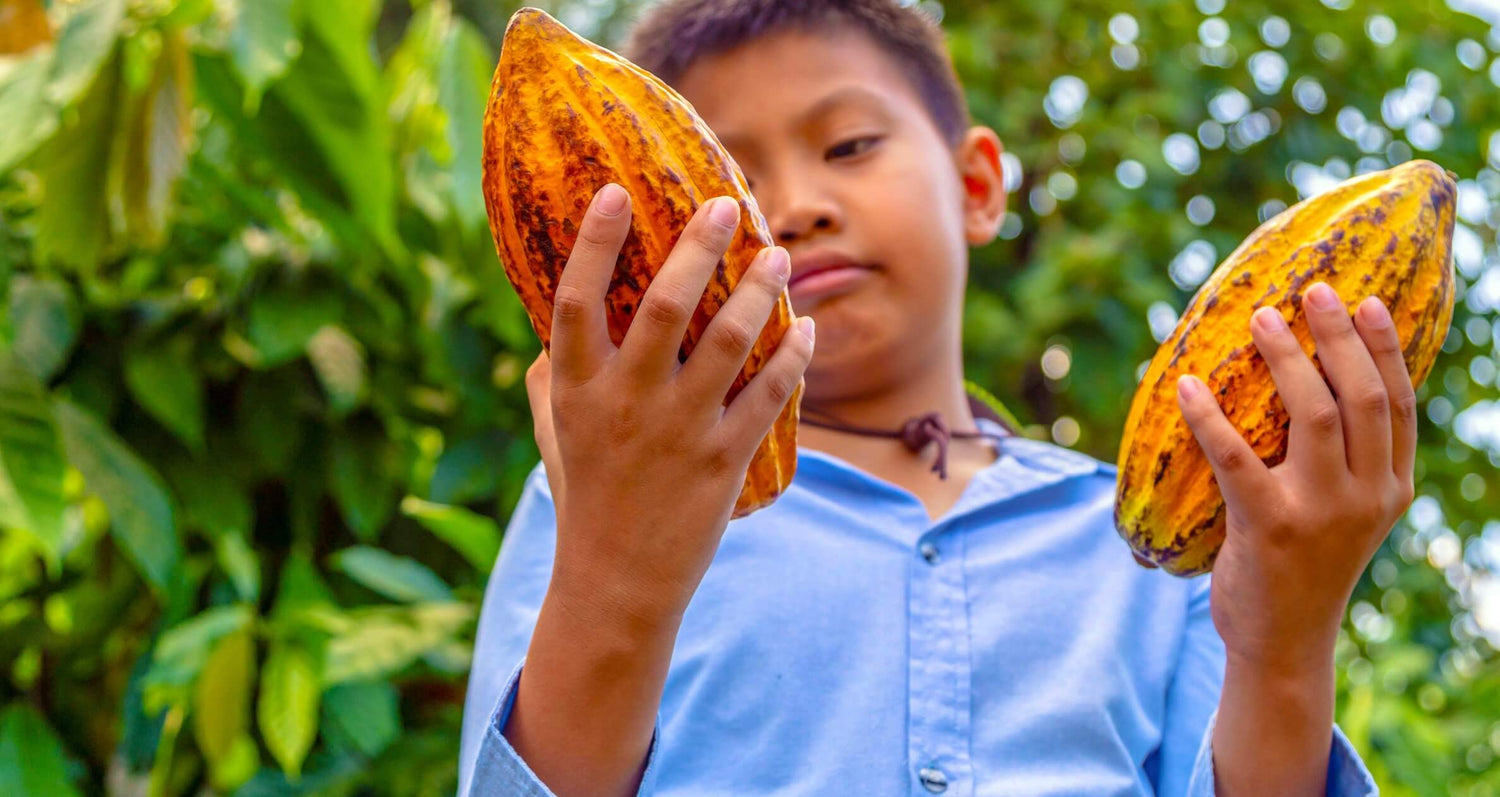
Single-origin chocolate is made with cacao sourced from one defined country, region, cooperative, or estate, depending on the maker's sourcing model. The term does not automatically mean a single plantation, nor does it guarantee excellence on its own. Its value lies in specificity. Rather than blending cacao from several places to create a uniform flavor profile, the chocolate maker preserves the distinctive qualities of a particular harvest or growing area.
In a chocolate bar, that identity is comparatively easy to recognize. In a praline, it is more challenging. Ganache, nut paste, caramel, fruit, spices, and sugar all contribute their own aromas and textures. A well-made single-origin praline does not let the filling erase the cacao. It chooses a center that gives the chocolate room to speak.
This is why origin can be especially compelling in pralines. A bright, fruit-forward cacao may bring lift to a dark ganache. A naturally nutty or caramel-like profile can add depth to a praline with a restrained hazelnut filling. The aim is not to make every piece taste identical, but to create balance without losing provenance.
Single origin pralines review: the markers that matter
The best way to assess a praline is with your senses, starting before the first bite. A quality shell should have a clean finish and a gentle shine, not a thick, waxy appearance. When broken, properly tempered chocolate gives a quiet, distinct snap. Very thin shells can be elegant, but they require skill: they must be delicate without collapsing under the filling.
Aroma follows. Hold the praline for a moment before tasting it. Fine cacao can suggest red fruit, citrus, roasted nuts, dried fruit, floral notes, cocoa, or warm spice. These are not added flavors. They are part of cacao's natural expression, shaped by genetics, fermentation, drying, roasting, and the maker's recipe.
Then consider the relationship between shell and center. A praline with a dark chocolate shell and a ganache filling should not feel like two separate confections placed together by chance. The shell should frame the center, and the center should extend the chocolate's finish. If sweetness arrives first and stays dominant, the origin has probably been obscured. If bitterness overwhelms every other flavor, the recipe may lack balance.
Texture is equally revealing. Ganache should be smooth and fresh, never oily, grainy, or dry. A praline containing a crisp element should retain that contrast. Nut pralines should taste freshly roasted rather than merely sweet. In every case, the finish matters most. Fine chocolate leaves a lingering impression that evolves after the piece is gone, rather than a heavy coating of sugar or fat.
Origin should be present, not performative
There is a temptation to treat origin names as luxury decoration. A cacao-growing country printed on a box can sound impressive, but transparency is more valuable than romance. Thoughtful makers explain enough for buyers to understand what they are tasting: the origin, the cacao percentage where relevant, and the ingredients used in each praline.
Still, origin is not a competition for the most unusual tasting note. Some cacao is bold and immediately recognizable; other cacao is quieter, with a rounded cocoa character that is ideal for a creamy filling. A successful praline respects both possibilities. It does not force a dramatic profile where the cacao naturally offers elegance and restraint.
Why bean-to-bar production changes the experience
Many chocolatiers work with excellent ready-made couverture, and that can produce beautiful pralines. Bean-to-bar production offers a different level of creative control. When a maker roasts, refines, conches, and molds chocolate in-house, decisions about the flavor profile begin with the raw cacao bean rather than with a finished chocolate supplied by another company.
Roasting is particularly significant. Too little development can leave cacao tasting sharp or green. Too much can flatten delicate fruit and floral notes into generic roastiness. Refining determines whether the texture feels silky or coarse, while conching shapes aroma, acidity, and mouthfeel. These steps are not technical details for their own sake. They are the reason two chocolates made from cacao of the same origin can taste profoundly different.
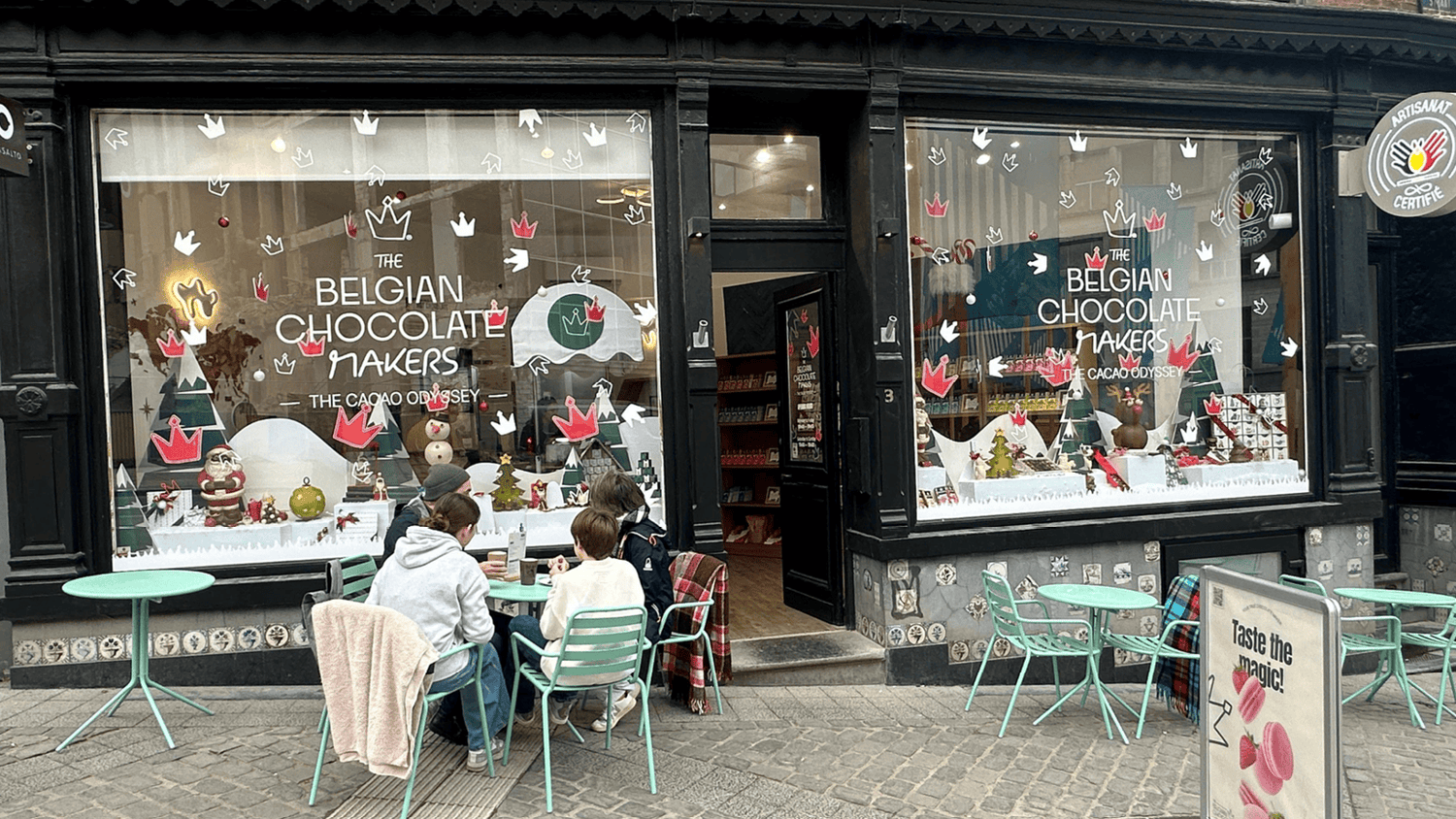
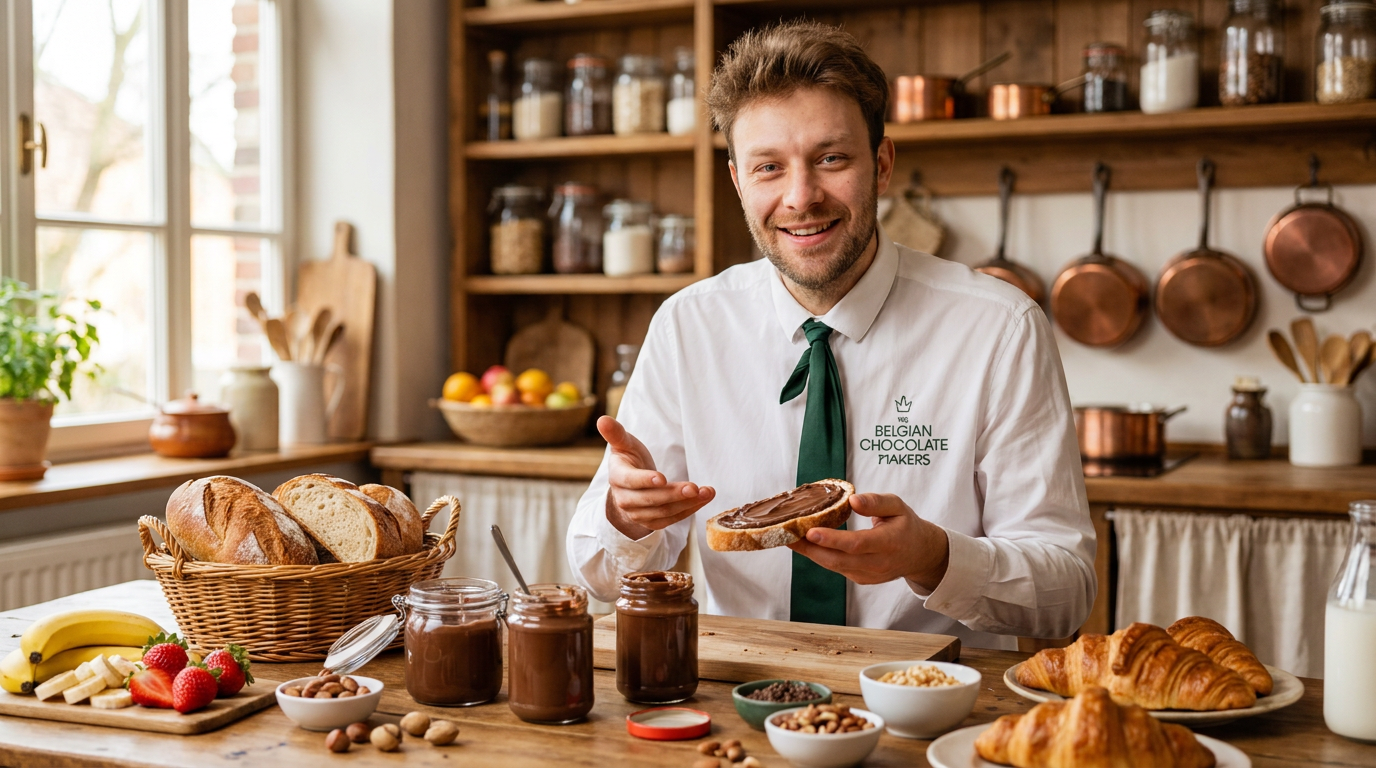
For single-origin pralines, this control gives the maker a more precise palette. The chocolate can be developed with the intended filling in mind, whether that calls for extra brightness, deeper cocoa notes, or a softer finish. At The Belgian Chocolate Makers, this bean-to-bar approach is central to the work: cacao is transformed in the Brussels workshop, allowing origin and recipe to be considered together rather than treated as separate stories.
The trade-off is that small-batch chocolate may vary subtly between harvests. For many premium buyers, that is not a flaw. It is evidence that chocolate is an agricultural product, not a standardized flavor compound. The most reliable makers manage those variations with care while allowing the personality of each cacao to remain intact.
Fillings that support, rather than hide, the cacao
Not every classic praline format is equally suited to single-origin chocolate. Very sweet fillings can reduce even complex cacao to a background note. This does not mean pralines must be austere. It means ingredients should be selected and proportioned with discipline.
Fresh cream ganache is often one of the clearest expressions of origin because it adds softness without demanding attention. The choice of dairy matters, as does the ratio of chocolate to cream. A darker, more assertive cacao may hold its own in a rich ganache, while a delicate origin may benefit from a lighter, less sweet center.
Nuts can be excellent partners, especially when roasted close to production. Hazelnut, almond, pistachio, and pecan each bring different aromatic qualities. Yet nut pastes can easily dominate. In a distinguished praline, the nut flavor feels integrated with the cacao, not louder than it.
Fruit and spice demand even more precision. Tart fruit can illuminate chocolate with natural berry or citrus notes, but a heavily sugared fruit preparation can turn the experience jammy and one-dimensional. Vanilla, coffee, tea, and warm spices can create beautiful pairings when used sparingly. Their role is to create contrast or continuity, never to disguise a chocolate that lacks character.
How to choose a box for gifting
A single-origin praline assortment is a particularly thoughtful gift for someone who enjoys food, travel, or craft products, but it does not require expert-level chocolate knowledge. The best boxes invite discovery without making the recipient work too hard. Clear descriptions, recognizable ingredients, and a considered range of textures make the experience approachable.
For a first-time recipient, choose an assortment that balances familiar pleasures with a few more distinctive pieces. A mix of dark ganache, nut pralines, and one or two fruit or spice pairings offers variety while keeping cacao at the center. For a serious chocolate enthusiast, a more focused selection of origin-led dark pralines can be the better choice, especially if the box identifies the cacao used.
Freshness deserves attention as well. Pralines are at their best when their shells are crisp and their centers retain their intended texture. They should be kept in a cool, dry place away from direct sunlight and strong odors. Refrigeration is usually a last resort because condensation can affect both appearance and texture. If a box has been chilled, let it return to room temperature before opening it.
Presentation is not superficial in a gift context. A well-designed box protects delicate pieces, communicates what is inside, and signals care before the tasting begins. But the real luxury remains in the chocolate itself: fresh ingredients, confident technique, and an honest connection to cacao.
A more rewarding way to taste
Rather than sampling a whole assortment quickly, begin with one praline and give it a little attention. Notice the aroma, let the shell melt briefly, and allow the filling to emerge. Taste a second piece only after the first finish has faded. Water is usually enough between pralines; intensely flavored coffee or wine can overwhelm the nuances a single-origin selection is meant to show.
The finest pralines do not need exaggerated claims to feel special. They offer a clear sense of craft in a small format: cacao with a known origin, transformed with care, then paired with fillings that make its character more inviting. That is a gift worth lingering over.