A praline can look impeccable in the box and still disappoint at the first bite. The shell may be too thick, the filling overly sweet, the chocolate itself flat and anonymous. That is the real difference with premium Belgian pralines; they are not defined by shine or ribbon alone, but by the quality of the chocolate, the precision of the filling, and the care behind every stage of production.
For buyers who want more than a polished gift, that distinction matters. Belgian pralines carry a strong heritage, but heritage on its own does not guarantee excellence. The best pralines are made with intention, from the sourcing of cacao beans to the final decoration, and each choice shapes flavor, texture, freshness, and overall character.
What premium Belgian pralines should deliver
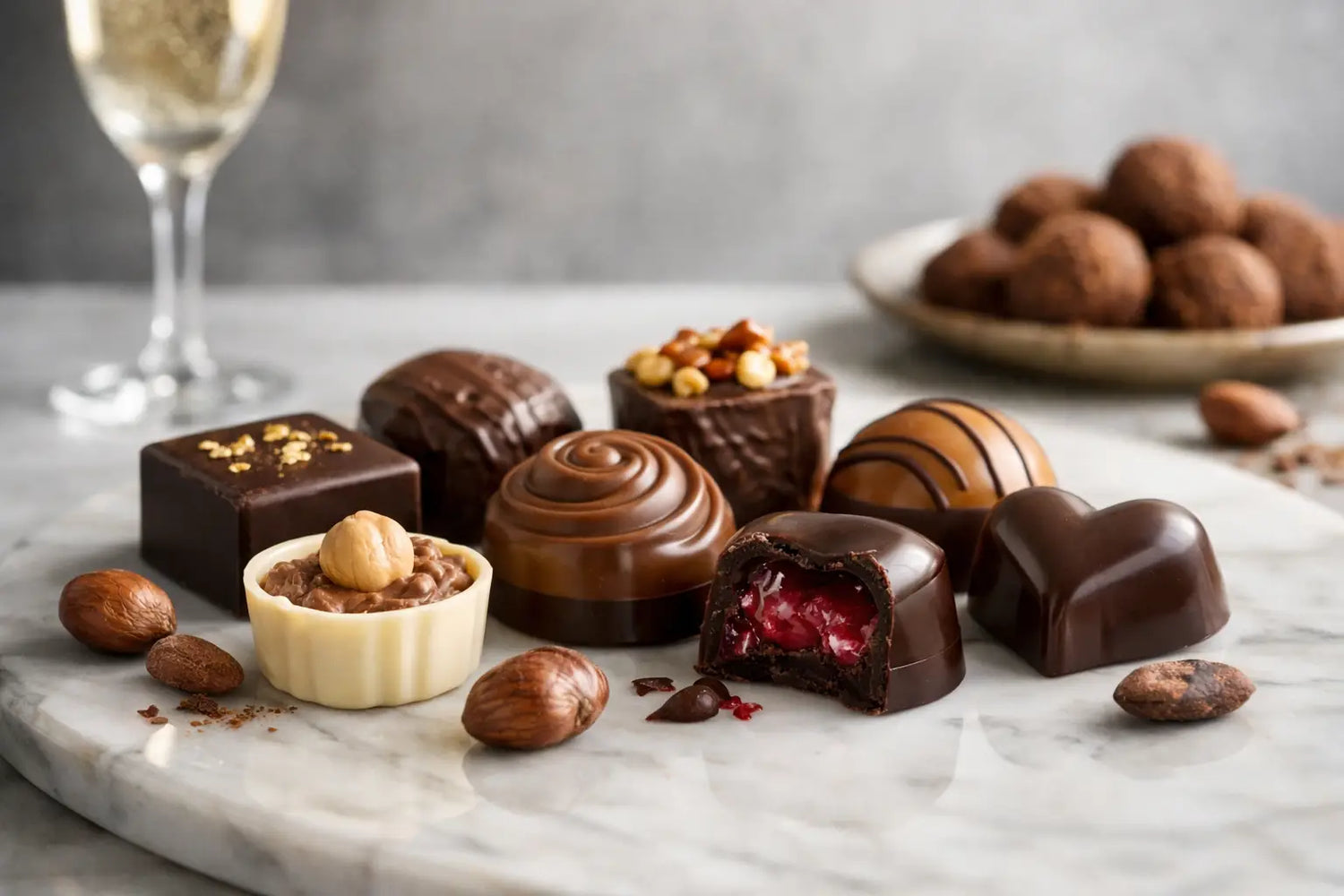
At their best, pralines offer contrast and balance. The shell should break cleanly, never feel waxy or overly thick, and release the aroma of real chocolate before the filling even reaches the palate. Inside, the texture may be silky, fluid, airy, or delicately crisp, but it should always feel purposeful.
Sweetness is part of the profile, yet it should never flatten everything else. A premium praline leaves room for cocoa depth, roasted nut notes, dairy richness, fruit brightness, or subtle spice. You should be able to taste layers rather than a single sugary impression.
This is where true chocolate making changes the result. When a maker controls the chocolate itself rather than simply purchasing industrial couverture, the shell becomes more than a neutral container. It has its own flavor identity, and that identity interacts with the filling in a more refined way.
Why the chocolate matters as much as the filling
Many consumers understandably focus on ganache, hazelnut praline, caramel, or fruit centers. Those are the most obvious points of variation. But the shell is often what separates a respectable praline from a memorable one.
If the chocolate is made from carefully sourced beans and produced with control over roasting, refining, and conching, the final result has more clarity. A dark shell may carry red fruit acidity, warm spice, or deeper roasted notes. A milk shell may offer genuine cocoa presence instead of reading like sweet dairy alone. Even white chocolate, when properly made, can feel elegant rather than blunt.
That matters because pralines are small. There is nowhere to hide imbalance. If the shell lacks character, the whole piece depends on the filling to do all the work. If the shell is too dominant, it crushes the center. Premium pralines get the proportion right.
For a bean-to-bar maker, this balance is not accidental. It comes from treating chocolate as the core ingredient, not just the coating.
Premium Belgian pralines and the value of bean-to-bar craftsmanship
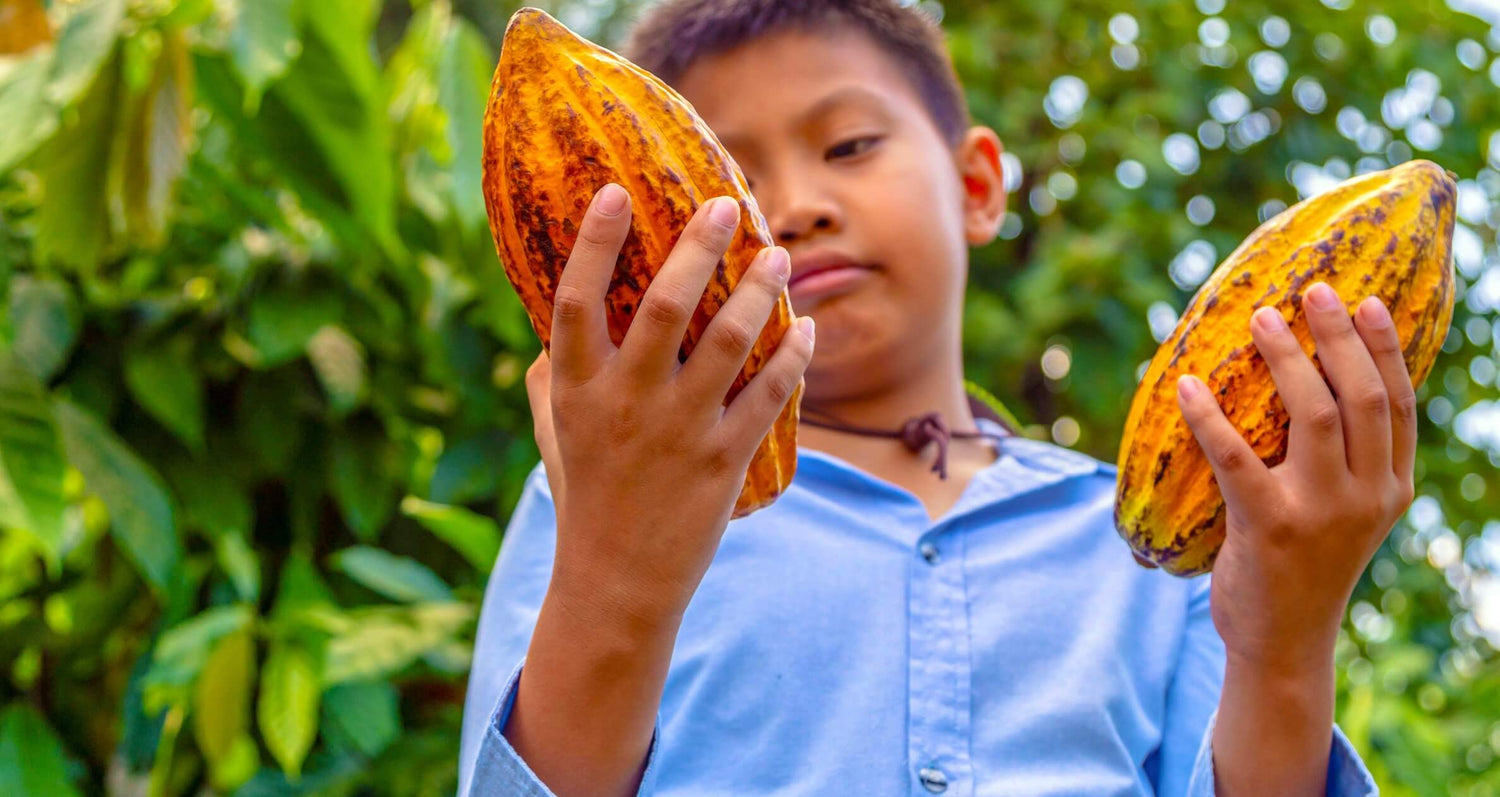
Bean-to-bar production is not a decorative phrase. It means the maker oversees the transformation of cacao beans into finished chocolate in-house, including roasting and refining, rather than starting with ready-made chocolate from a large industrial supplier.
For the buyer, the advantage is both sensory and ethical. Sensory, because the maker can shape roast profiles and texture with much greater precision. Ethical, because sourcing relationships and ingredient traceability are far clearer when the production chain is shorter and more transparent.
Not every excellent praline must be bean-to-bar. That would be too simplistic. There are traditional chocolatiers who work very well with selected couverture. But when a praline house truly makes its own chocolate, it adds a level of authorship that is difficult to replicate. The shell, the filling, and the final form belong to one vision.
That is especially compelling for customers who want their gift or personal purchase to reflect real craftsmanship rather than luxury styling alone.
Texture is where quality becomes obvious
Flavor is essential, but texture often reveals quality faster than taste. A premium praline should feel delicate without being fragile. The shell should have a fine snap, not a clumsy crunch. Ganache should be smooth and fresh, not grainy or stale. Nut-based fillings should taste deeply roasted and natural, not oily or overly pasty.
Freshness plays a major role here. Because pralines often contain cream, butter, nuts, caramel, or fruit elements, time changes them quickly. A fresh ganache has softness and aromatic lift. An older one begins to lose its brightness. This is one reason small-batch production often delivers a better experience than high-volume inventory built for extended shelf life.
There is a trade-off, of course. Fresher, more artisanal pralines may have shorter best-by windows and may require more careful storage. For many buyers, that is not a drawback but a sign that the product is real.
Fillings that taste like ingredients, not flavor labels
The language around pralines is often elegant, but the proof is straightforward. Does the hazelnut filling taste like roasted hazelnuts? Does the coffee ganache resemble coffee or just sweetness with a bitter note? Does salted caramel offer depth, butter, and controlled salinity, or simply sugar and salt?
Premium fillings are usually more restrained than mass-market buyers expect at first. They are less loud, but more convincing. Fruit is sharper and more natural. Vanilla is integrated rather than perfumed. Pistachio tastes earthy and nutty instead of bright green and artificially sweet.
This restraint is part of refinement. It asks the buyer to pay attention, and it rewards that attention with greater depth.
The role of origin and traceability
For an increasing number of customers, luxury without transparency feels incomplete. Premium chocolate should not only taste better. It should also offer a credible story about where cacao comes from and how it was sourced.
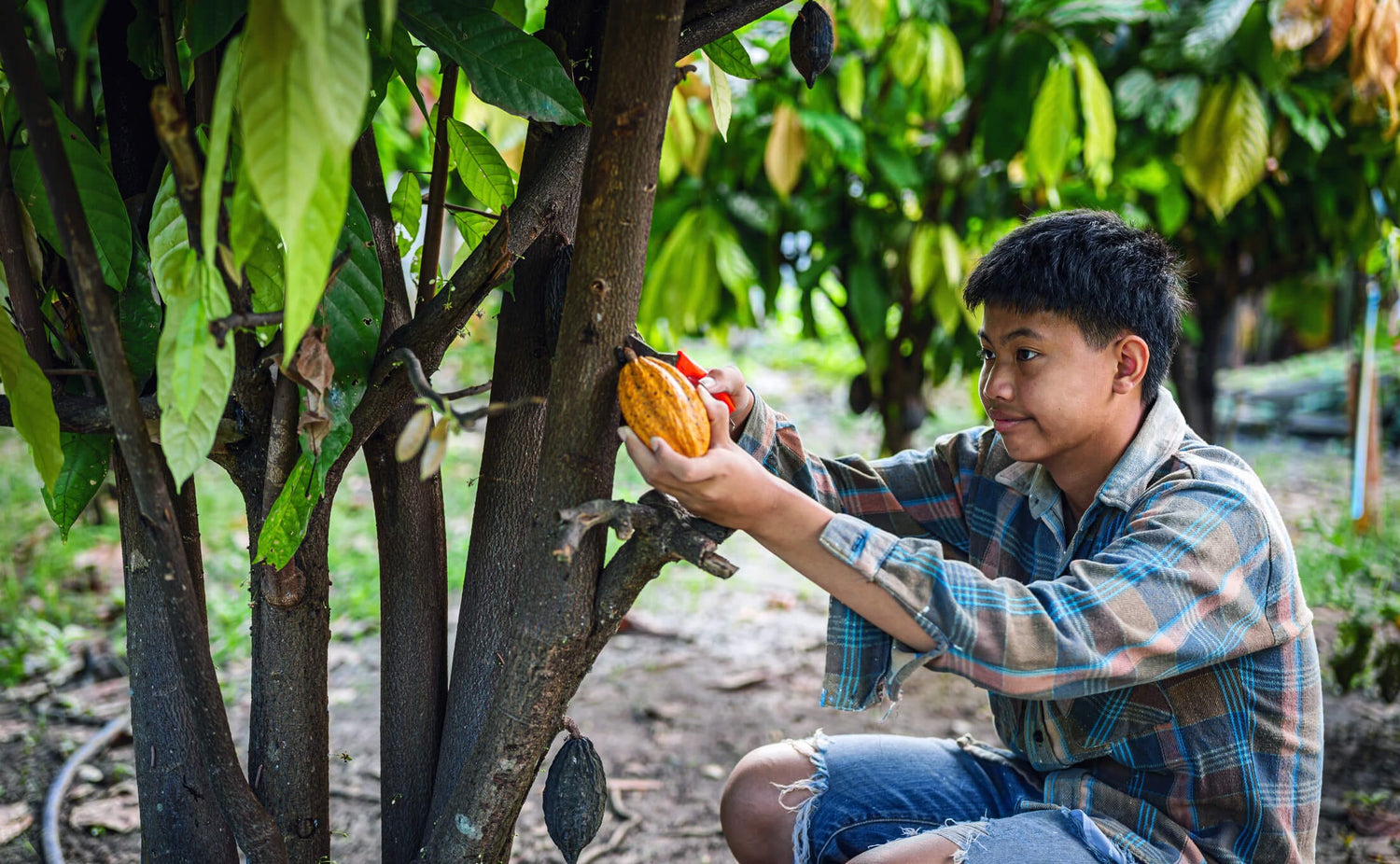
Traceability matters because cacao quality begins long before the workshop. Bean variety, fermentation, drying, and producer relationships all influence flavor. They also influence whether the product reflects genuine ethical care or simply premium packaging.
When a chocolatier can speak clearly about cacao origin and production methods, that confidence tends to show in the pralines themselves. The product feels grounded. It is not trying to borrow prestige from the idea of Belgian chocolate while hiding the realities of sourcing.
For gift buyers especially, this matters more than it once did. A box of pralines now carries social meaning as well as aesthetic value. People want it to feel thoughtful, not generic.
Choosing premium Belgian pralines for gifting
A good gift box should do two things at once. It should impress immediately, and it should hold up once opened. Beautiful presentation matters, but only if the contents justify it.
When selecting pralines as a gift, consider who will receive them. A classic assortment with dark, milk, and a few nut or caramel profiles is often the safest choice for professional gifting or broad appeal. For a more food-focused recipient, a selection with single-origin chocolate, distinctive ganaches, or more restrained sweetness may feel far more special.
Packaging should protect the pralines from movement, light, and temperature changes. Premium presentation is not only visual. It should preserve freshness and shape. A refined box that arrives with damaged shells or shifted fillings loses its purpose quickly.
This is where established artisan makers stand apart. They tend to think not only about production, but also about how pralines travel, how they are stored, and how they are experienced by the person opening the box.
Why Belgian heritage still matters
Belgium remains central to the praline conversation for good reason. The country has a deep chocolate culture, technical expertise, and a long-standing expectation of quality. But heritage is most meaningful when it continues to evolve.
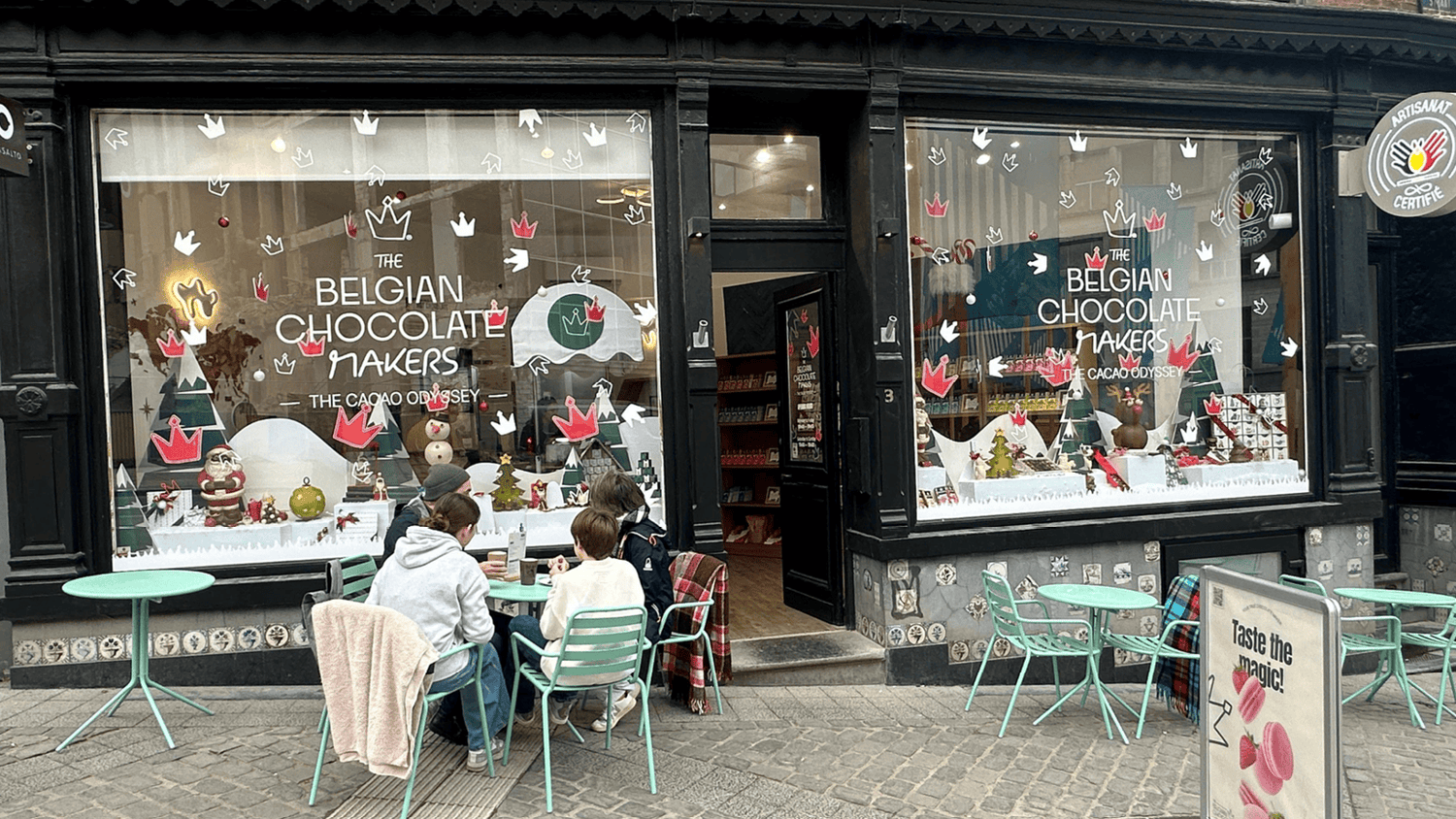
Today, the strongest expression of Belgian praline making often combines classic technique with modern standards around sourcing, freshness, and flavor clarity. In Brussels, that shift is especially visible among artisan workshops that produce chocolate in-house and treat pralines as a craft product rather than a luxury commodity.
That balance between heritage and honesty is what many discerning buyers are actually looking for. They do not want nostalgia on its own. They want proof in the bite.
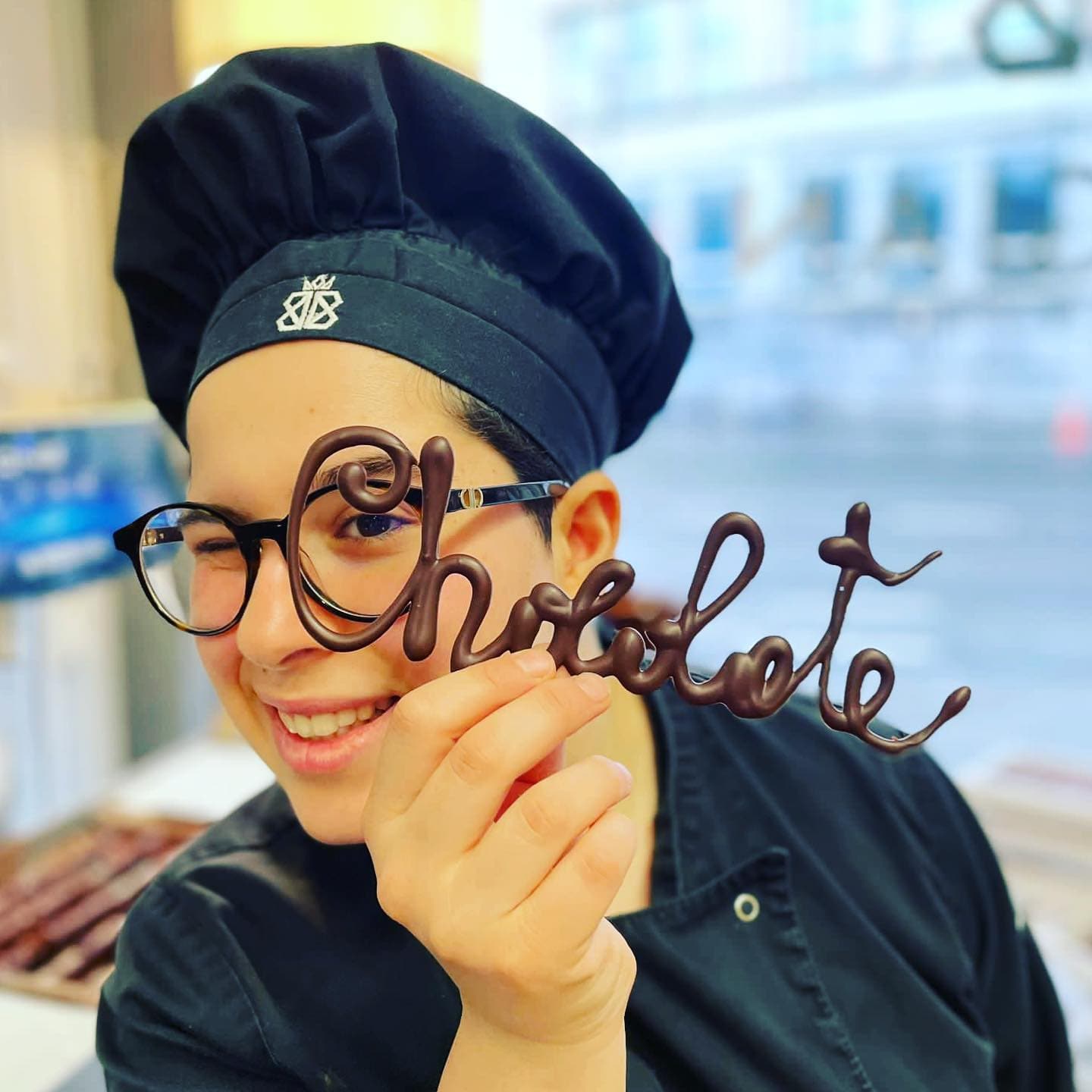
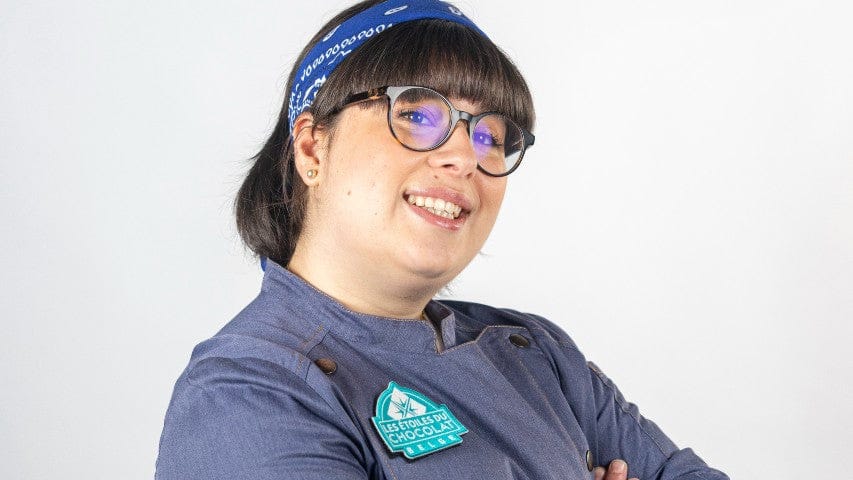
At The Belgian Chocolate Makers, that philosophy shapes the way chocolate is made from bean to bar before it becomes part of a praline collection. It is a more demanding approach, but it gives the final piece greater integrity.
The next time you choose pralines, look past the gloss of the box and consider what is underneath it - the cacao, the process, the freshness, and the intent. A truly premium praline does not need to announce itself loudly. It simply tastes complete.