You can taste the difference before anyone explains it. One chocolate feels composed but familiar, built for consistency. The other carries a clearer sense of place; brighter fruit, deeper roasted notes, a finish that lingers in a more distinctive way. That is the real starting point for bean to bar vs couverture: not marketing language, but how the chocolate is made, who controls the process, and what that means in the final bite.
For shoppers who care about quality, gifting, and ingredient integrity, the distinction matters. Bean-to-bar and couverture are not simply two labels for premium chocolate. They describe different production models, different priorities, and often very different relationships to cacao origin.
What bean to bar vs couverture actually means
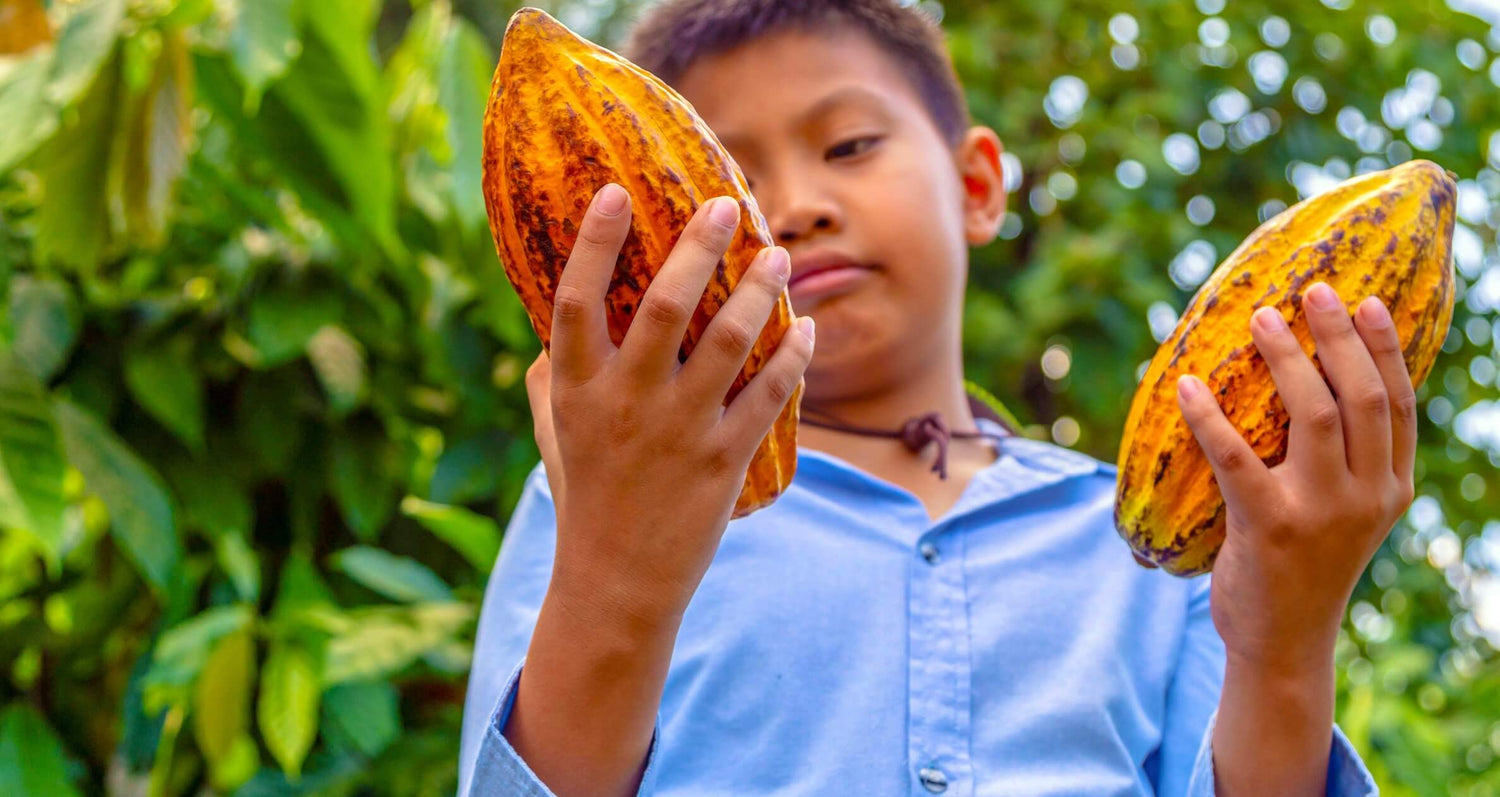
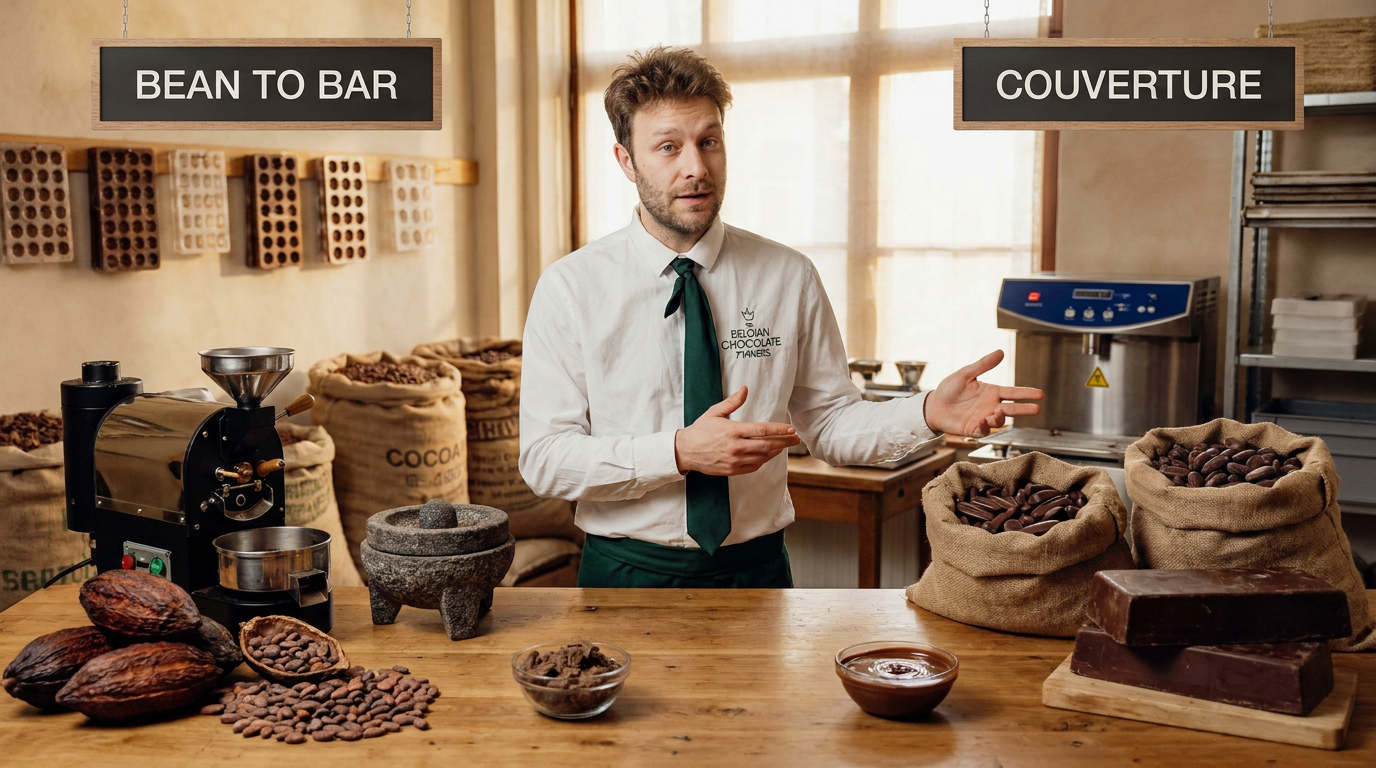
Bean-to-bar chocolate is made by a chocolate maker who starts with raw or fermented cacao beans and transforms them into finished chocolate in-house. That process usually includes sourcing, roasting, cracking, winnowing, refining, conching, tempering, and molding. The maker is responsible for the chocolate itself, not just the final shape or filling.
Couverture is high-quality finished chocolate made to be melted, tempered, enrobed, molded, or used in pastry and confectionery work. It typically contains a higher percentage of cocoa butter, which gives it excellent fluidity and a refined texture. A chocolatier may buy couverture from a specialist producer and then use it to create bonbons, truffles, bars, or desserts.
That distinction is essential. Bean-to-bar describes who makes the chocolate from the bean onward. Couverture describes a format or category of chocolate designed for professional use. A product can be excellent and still be made from purchased couverture. But it is not bean-to-bar unless the maker controls the chocolate-making process itself.
Why the difference matters to flavor
The biggest difference in bean to bar vs couverture often shows up in flavor personality. Bean-to-bar makers tend to build recipes around the characteristics of specific cacao beans. They may choose a single origin for its red fruit acidity, floral aromatics, or nutty depth, then roast and refine in ways that preserve those traits.
Couverture producers, especially large ones, often prioritize consistency across batches. That is not a flaw. For pastry chefs and chocolatiers, consistency can be exactly the point. If you need a ganache to behave the same way every time or a shell to snap with precision in production, a standardized couverture can be ideal.
Where bean-to-bar usually stands apart is in expression. Instead of aiming for a broad, stable house profile, it often highlights nuance. The result can be more vivid and more memorable, but sometimes less familiar to people used to traditional luxury chocolate styles. If you love chocolate that tells you something about where the cacao came from, bean-to-bar has a natural advantage.
Craftsmanship starts earlier than most people realize
Many consumers assume all premium chocolate makers work in roughly the same way. In practice, the craft begins at different stages.
A chocolatier working with couverture can show tremendous skill in recipe development, texture, decoration, fillings, and finishing. That expertise is real. Creating a balanced praline or a clean enrobed piece requires precision.
A bean-to-bar maker takes on an additional layer of responsibility. Decisions about roast curves, refining time, conching, and cocoa butter balance all happen before the chocolate becomes a bar, shell, or ganache component. Those early choices shape acidity, bitterness, texture, aroma, and finish. In other words, the maker is not only crafting with chocolate. They are crafting the chocolate itself.
For buyers, this changes how quality should be judged. A beautiful bonbon made with industrial couverture may still be expertly executed. But if you are looking for deeper authorship over the chocolate's flavor and character, bean-to-bar offers a more complete form of craftsmanship.
Sourcing and traceability are not the same thing
This is where the conversation becomes especially relevant for ethically minded shoppers. In couverture-based production, the chocolatier may know the supplier well and choose a reputable couvertures with sustainability certifications. That can be meaningful, and responsible sourcing is possible within that model.
Bean-to-bar, however, often allows for a closer and more transparent link between maker and cacao origin. Because the chocolate maker selects the beans and builds the chocolate from scratch, there is usually more room to communicate origin, harvest region, fermentation quality, and sourcing relationships with clarity.
That does not mean every bean-to-bar bar is automatically more ethical. Small-batch language alone proves nothing. But the model is better suited to traceability because fewer stages are hidden behind a large industrial supply chain.
If you want to know not only what percentage of cacao is in your chocolate but also where that cacao came from and why it tastes the way it does, bean-to-bar generally gives you a more honest starting point.
Texture, performance, and when couverture makes sense
A fair comparison of bean to bar vs couverture should acknowledge that couverture exists for good reasons. Its higher cocoa butter content gives it excellent working properties. It melts smoothly, coats evenly, and performs reliably in molding and enrobing. For professional kitchens, that matters.
Couverture can also be delicious. Some of the world's most respected pastry chefs rely on it because they need precision and consistency at scale. If the goal is a technically flawless mousse, glaze, or molded confection, couverture may be the smartest choice.
Bean-to-bar chocolate can be more variable because makers intentionally preserve origin character and often work in smaller batches. That can create extraordinary flavor, but it may also require more adaptation in pastry work. Some bean-to-bar chocolates are designed beautifully for bars and tasting, while others are formulated well enough for bonbons and baking. It depends on the maker's style and technical approach.
For consumers, this means the better choice is tied to purpose. If you are buying a tasting bar, origin-forward chocolate, or a gift meant to feel distinctive, bean-to-bar often offers more character. If you are evaluating a pastry component or a classic confection where texture and consistency lead, couverture may be entirely appropriate.
Why bean-to-bar feels different in gifting
When people give premium chocolate, they are rarely giving sugar alone. They are giving taste, story, and a sense of care. That is where bean-to-bar has unusual strength.
A true bean-to-bar piece carries more narrative value because the maker can speak credibly about the full process, from cacao selection to finished product. That makes the gift feel less generic. It suggests intention, not just expense.
For gift buyers, this matters more than they may realize. Elegant packaging always helps, but what gives a chocolate gift staying power is authenticity. A bar or praline made from chocolate produced in-house feels more personal and more rooted in craft. It offers something beyond polish.
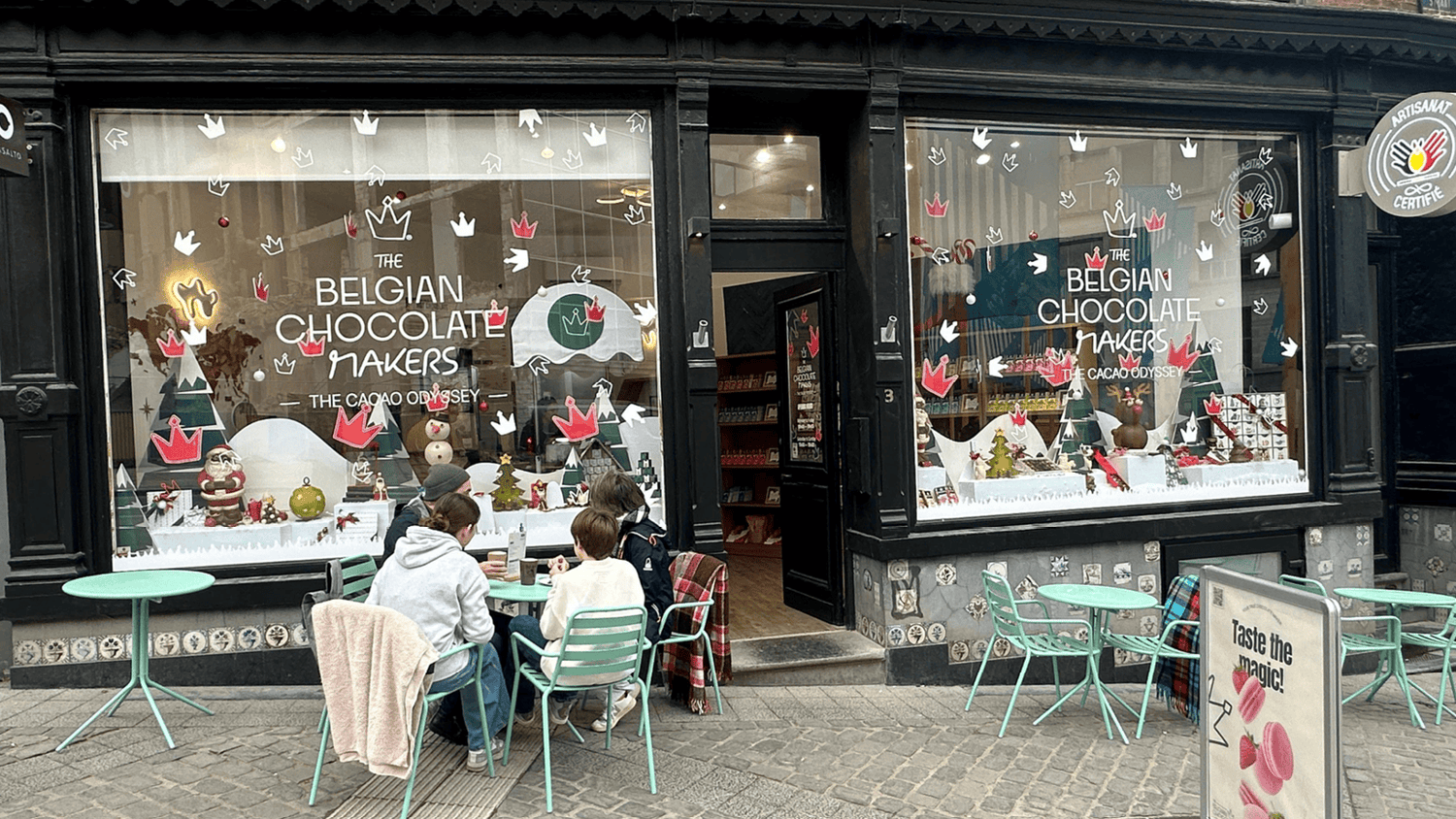
In a city with a deep chocolate tradition, makers such as The Belgian Chocolate Makers have helped show that Belgian heritage and modern bean-to-bar values are not opposites. The most compelling chocolate gifts now combine classic refinement with transparent making and a clearer connection to origin.
How to shop smarter
If you want bean-to-bar, look for evidence that the maker starts with cacao beans and manufactures the chocolate themselves. Language such as roasted in-house, stone-ground, refined in-house, or made from selected cacao beans can be useful, though details matter more than buzzwords.
If you are buying bonbons or truffles, ask a simple question: does the chocolatier make the chocolate itself, or do they create with purchased couverture? There is no shame in either answer, but they are not the same thing.
Then consider your priorities. If you value traceability, flavor individuality, and artisanal authorship, bean-to-bar is usually the stronger choice. If you want classic confectionery craftsmanship built on a stable chocolate base, couverture can still deliver a premium experience.
The best buyers do not treat this as a hierarchy in every situation. They understand what each model is designed to do.
The real choice behind bean to bar vs couverture
At its heart, this comparison is about control. Who shaped the chocolate's flavor from the beginning? Who selected the cacao, adjusted the roast, developed the texture, and decided what the chocolate should express?
With couverture, much of that work has already been done before the chocolatier begins. With bean-to-bar, the maker accepts responsibility for the entire journey. That added responsibility is why bean-to-bar can feel more transparent, more distinctive, and more connected to craftsmanship in the fullest sense.
The next time you choose a bar, a box of pralines, or a gift meant to leave an impression, pay attention to where the making truly begins. That is often where the quality reveals itself.