Step into a serious chocolate shop in Belgium and one thing becomes clear quickly: the best makers are not selling sugar with a cocoa accent. They are selling craftsmanship. That is the heart of what makes Belgian chocolate special. It is not one single ingredient, one recipe, or one marketing claim. It is the result of tradition, technical discipline, ingredient standards, and, at its best, a maker’s willingness to control every step that shapes flavor.
For American shoppers, Belgian chocolate often carries an automatic sense of luxury. Sometimes that reputation is deserved, and sometimes it is used too loosely. The difference lies in how the chocolate is actually made. When a chocolatier works from industrial couverture, the skill is in selection, filling, molding, and finishing. When a chocolate maker works bean to bar, the craft starts much earlier, with the cacao itself. That distinction matters because it changes what you taste, what you can trace, and what quality really means.
What makes Belgian chocolate special in practice
Belgium’s chocolate reputation was built over generations, but reputation alone is not enough. What makes Belgian chocolate special in practice is the combination of cultural expectation and technical execution. Belgian consumers have long expected chocolate to be fine-textured, balanced, and elegant rather than overly sweet or one-dimensional. That local standard helped shape an entire category.
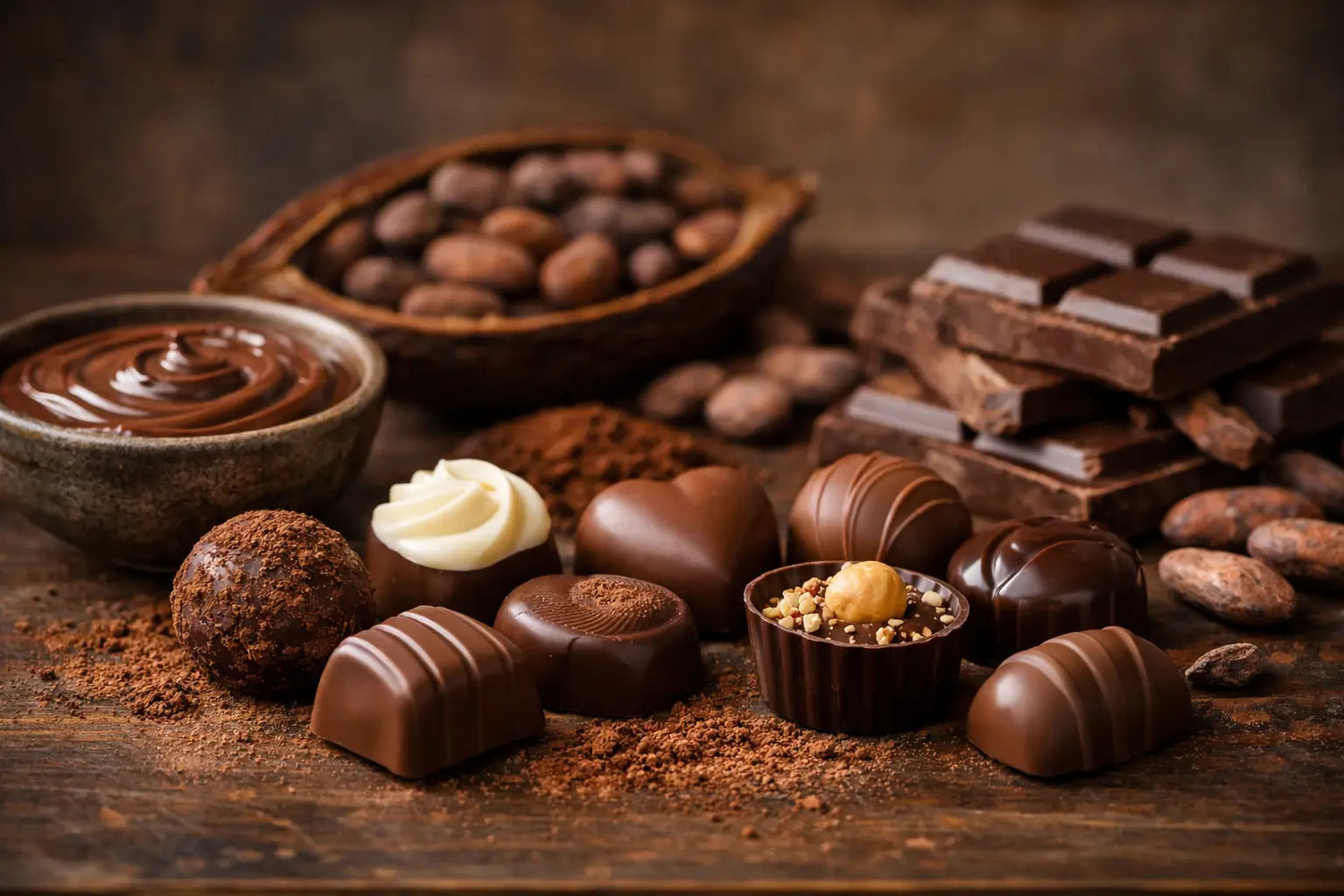
The country is also closely associated with pralines, truffles, filled chocolates, and gift-worthy assortments. Belgian chocolate became known not only for bars, but for refinement in presentation and texture. There is a reason beautifully finished ballotins and praline boxes remain part of the Belgian chocolate identity. In the best cases, the exterior shell is thin and crisp, the filling is fresh, and the sweetness supports the cocoa rather than masking it.
Still, it would be too simple to say all chocolate made in Belgium is automatically exceptional. Geography helps, but process tells the truth. A well-made Belgian chocolate should show precision - clean snap, smooth melt, controlled sweetness, and a finish that lingers with real cocoa character. Those qualities come from decisions in roasting, refining, conching, tempering, and storage. They do not happen by accident.
Belgian heritage matters, but so does how the chocolate is made
Belgium has a long-standing chocolate culture, and that heritage deserves respect. It shaped expectations around texture, praline making, and premium gifting in a way few countries have matched. But for a modern buyer, heritage is most meaningful when it is backed by transparent production.
That is where the gap appears between traditional branding and actual craft. Some brands trade heavily on Belgian imagery while relying on large-scale industrial chocolate as a base. That does not make the final product bad, but it does limit how much control the maker has over the chocolate’s personality. If the couverture arrives already formulated, roasted, and refined, much of the flavor story has already been decided.
By contrast, in-house production gives the maker far more authority over the result. Roasting can be adjusted to preserve delicate fruit notes or build deeper caramelized tones. Refining can be tuned for texture. Conching can soften sharp edges or open aromatic complexity. For shoppers who care about authenticity, this is where Belgian chocolate becomes more than a category label. It becomes a matter of method.
Cocoa quality and origin are a big part of what makes Belgian chocolate special
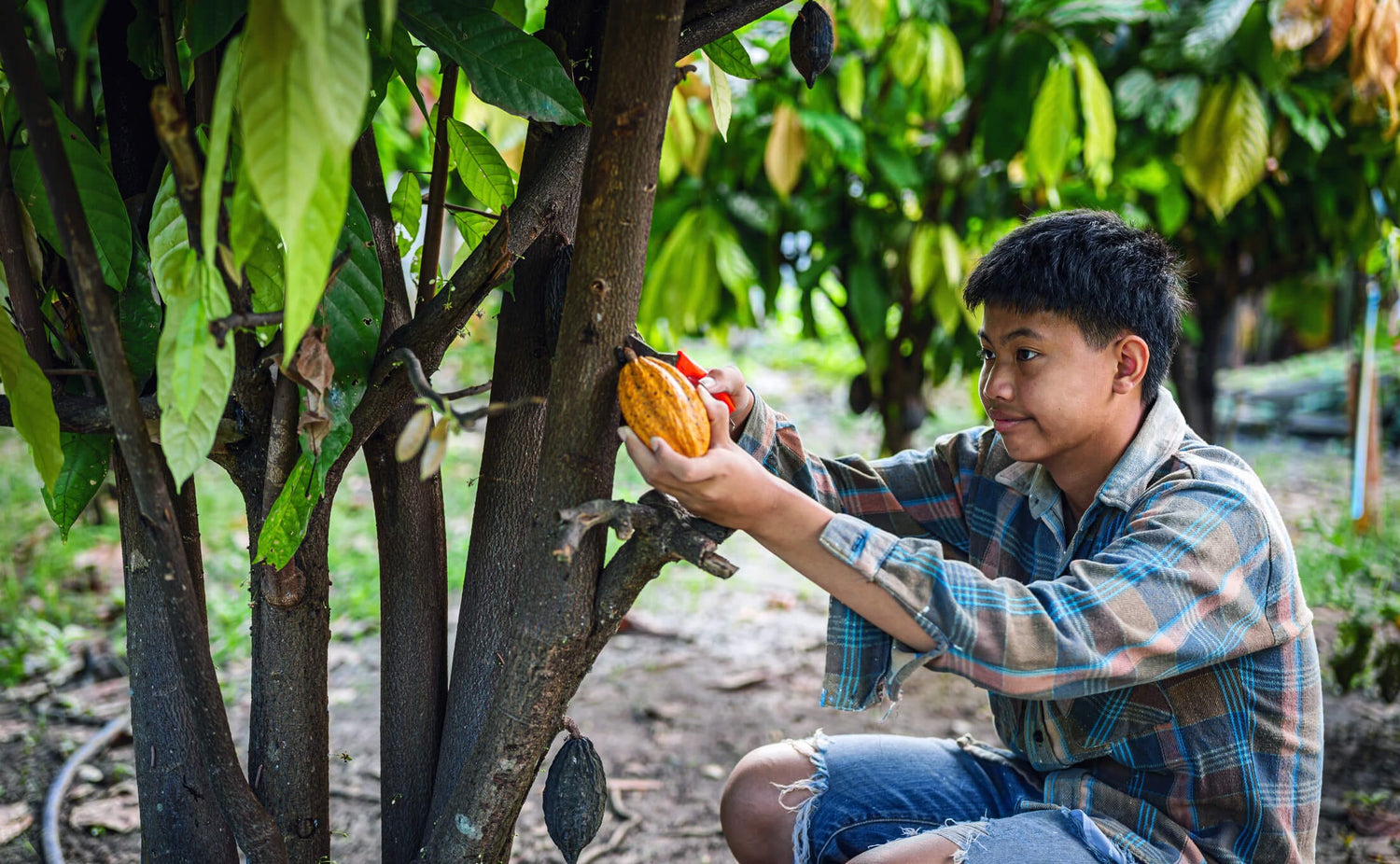
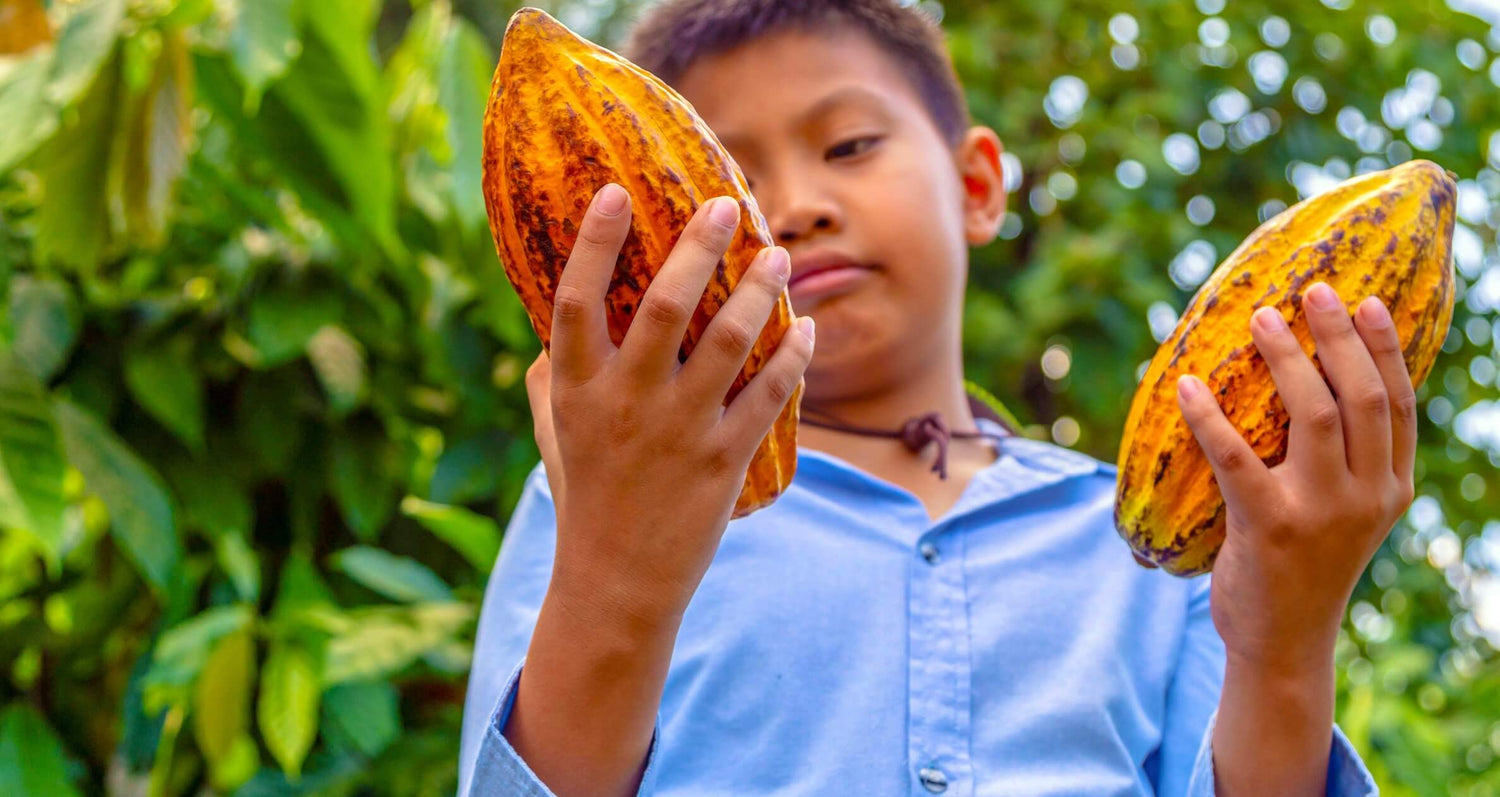
Great chocolate starts long before the workshop. It starts with cacao beans that are properly grown, harvested, fermented, and dried. Without that foundation, no amount of elegant packaging or clever filling can create true depth of flavor.
This is one of the most important shifts in premium chocolate over the last decade. Buyers now want to know more than whether a product is "Belgian." They want to know where the cacao came from, how it was sourced, and whether the maker can speak clearly about origin. That is a good change. It rewards substance over vague prestige.
Single-origin chocolate has helped sharpen this conversation. Beans from Madagascar may bring bright red fruit and citrus notes, while beans from Peru or Ecuador may express floral, nutty, or deeper cocoa profiles. Not every consumer needs a tasting vocabulary, but many can still sense the difference between chocolate that tastes generically sweet and chocolate that carries a distinct identity.
Ethical sourcing matters here too. Traceability is not only a moral issue, though it certainly is that. It is also a quality issue. Makers who know their supply chain tend to make better decisions and maintain higher standards. When a chocolatier can identify the cacao origin and explain why it was selected, that usually signals a more serious approach to the product.
Texture is not a small detail
Ask people what they remember about fine chocolate, and many will describe flavor first. But texture is often what creates the feeling of luxury. Belgian chocolate has long been associated with smoothness, and that reputation comes from technical care.
A good piece of chocolate should melt evenly, not feel waxy, gritty, or greasy. It should break with a clean snap if it is tempered correctly. In filled chocolates, the shell should feel delicate rather than thick and clumsy. In spreads or ganaches, the mouthfeel should be rich without becoming heavy.
This is where craftsmanship becomes tangible. Refining particle size affects whether the chocolate feels silky or coarse. Tempering determines gloss, stability, and snap. Ganache ratios shape whether a truffle tastes elegant or overly dense. Small-batch production can be especially valuable because it allows closer attention to these details, though small batch alone is not a guarantee. Precision still matters more than scale itself.
Flavor balance sets the best Belgian chocolate apart
The finest Belgian chocolate is rarely aggressive. Even when it is intense, it tends to be composed. That balance is part of the appeal.
Good chocolate should taste of cocoa first, but that cocoa can express many things - toasted nuts, dried fruit, coffee, spice, honey, cream, or soft bitterness. Sugar has a role, especially in pralines and milk chocolate, but it should not flatten the profile. The same is true of fillings. A hazelnut praline should taste distinctly of roasted nuts, not only sweetness. A salted caramel should offer contrast, not overload.
This matters for gifting as much as personal indulgence. A beautifully presented box means more when the chocolates inside show restraint and clarity. Premium buyers often want something that feels generous but also credible. They are looking for pleasure, not excess.
Why bean-to-bar changes the conversation
If you want the clearest answer to what makes Belgian chocolate special today, bean-to-bar is one of the strongest places to look. It reconnects Belgian chocolate with making, not just finishing.
In a bean-to-bar workshop, the maker selects cacao beans, roasts them, cracks and winnows them, refines the cocoa mass, conches the chocolate, and then molds or turns it into bars, pralines, truffles, and other creations. That level of control allows for honesty. The maker cannot hide behind a pre-made base. Quality must be built, step by step.
For the customer, this changes the experience in practical ways. Flavor tends to be more distinctive. Origin information is clearer. The product feels less anonymous. And when the same workshop produces both plain bars and filled chocolates, there is a stronger sense that the fillings are built on real chocolate rather than simply dressed-up confectionery.
This approach also fits modern expectations around transparency. Premium chocolate buyers increasingly want to understand what they are paying for. Bean-to-bar production provides a meaningful answer.
What to look for when buying Belgian chocolate
If you are choosing Belgian chocolate for yourself or as a gift, it helps to look past the gold ribbon effect. Start with the ingredient list. A shorter, cleaner list often signals confidence in the chocolate itself. Then consider whether the maker provides information about cacao origin, production method, and where the chocolate is made.
Freshness matters more for filled chocolates than many shoppers realize. Pralines and truffles are at their best when textures remain distinct and fillings still taste vivid. Packaging matters too, but it should protect quality, not distract from it.
Finally, think about what kind of experience you want. If you want consistency and classic luxury, a traditional assortment may suit you. If you want a clearer sense of cacao character, choose single-origin bars or bean-to-bar creations. If you are buying a gift, the best option is often the one that combines refined presentation with genuine production integrity.
Belgian chocolate remains special because it can unite pleasure, discipline, and trust in one bite. When a maker respects the bean, masters the process, and finishes with restraint, the result feels unmistakable. Choose chocolate that shows its work, and the difference is easy to taste.