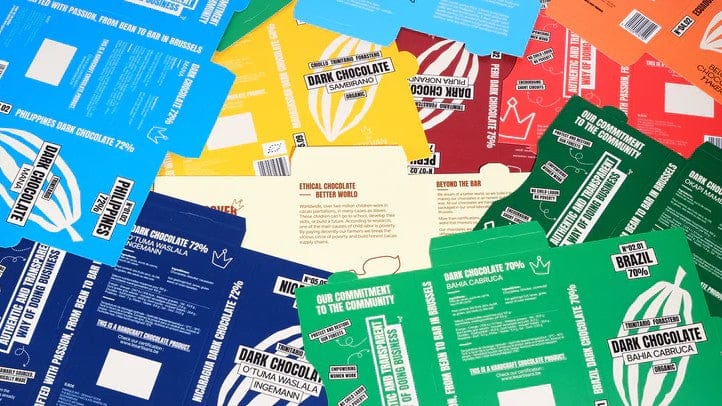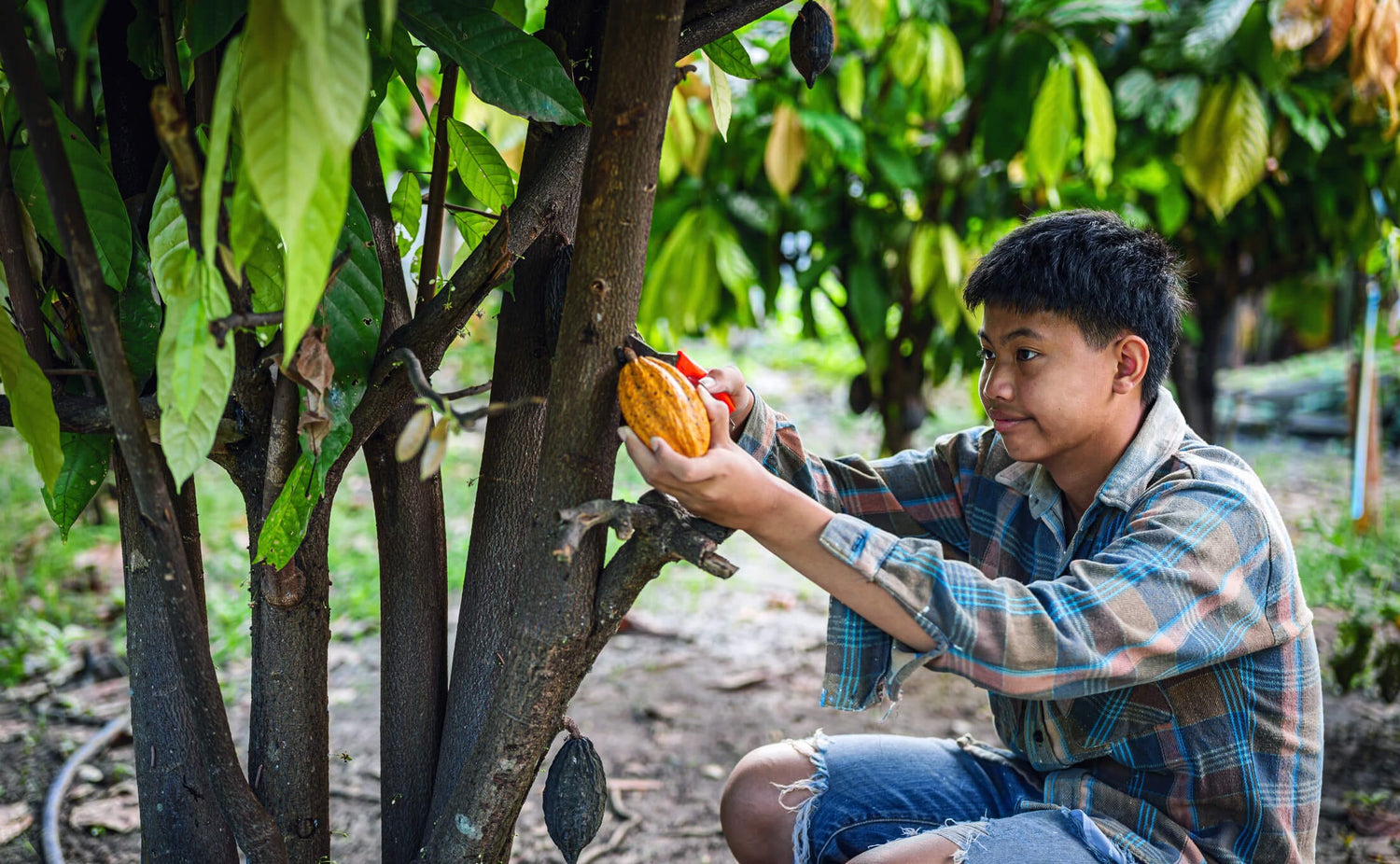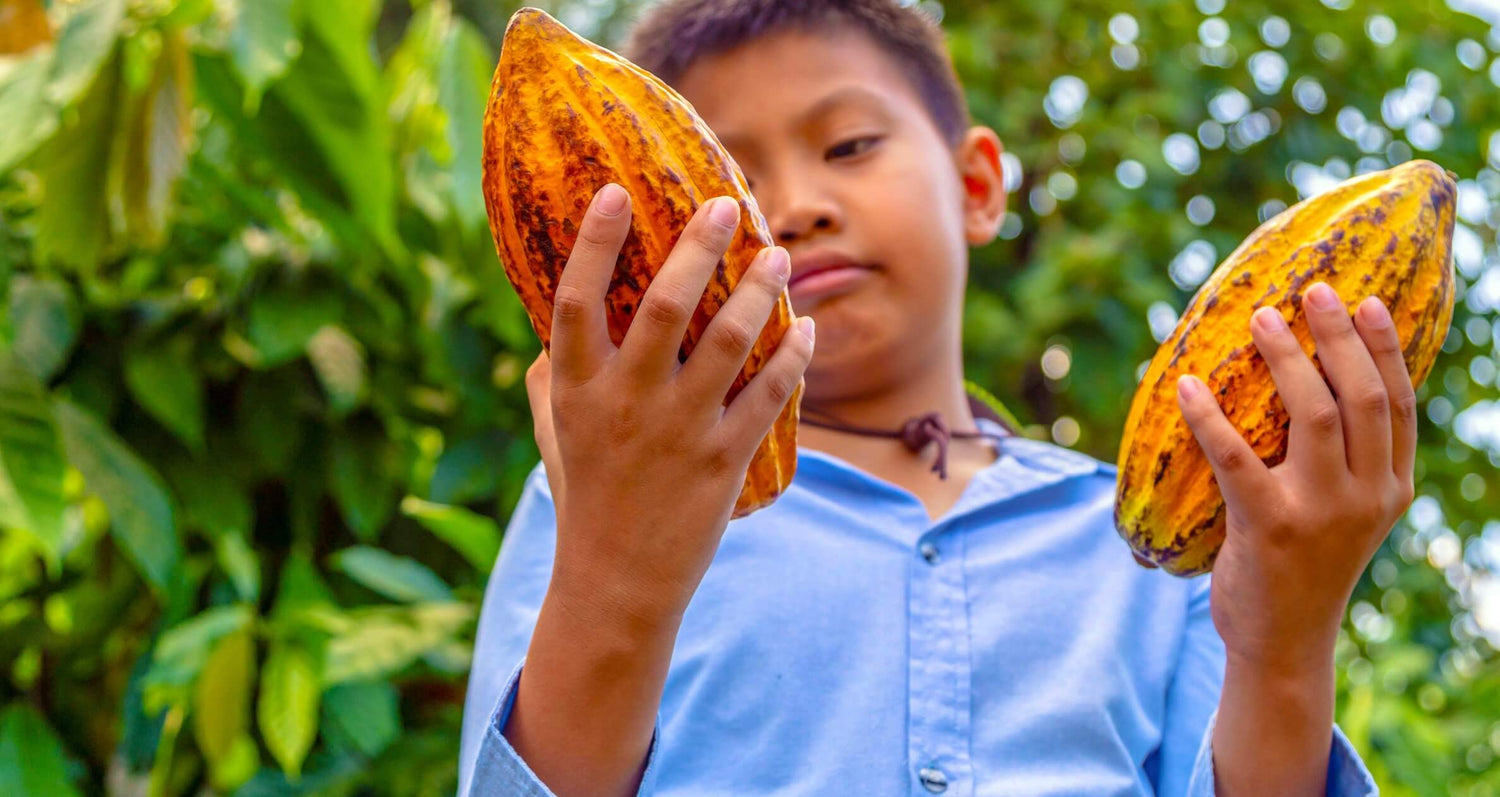
A beautiful chocolate bar can say more than its packaging reveals. The best ethical chocolate brands make it easier to understand where cacao was grown, who handled it before it reached the maker, and how the finished chocolate earned its premium position.
That matters because chocolate is not simply a luxury ingredient. Cacao has a long supply chain, and low commodity prices have historically left many farming families with too little return for their work. Ethical chocolate is an effort to change that equation through better purchasing practices, deeper producer relationships, meaningful traceability, and, ideally, excellent chocolate making.
There is no single certification or label that settles the question. A Fairtrade or organic mark can be a valuable signal, but it does not automatically tell you how much a maker pays, whether it knows the farm or cooperative behind a batch, or how carefully it transforms the beans. The most worthwhile choices combine credible sourcing with chocolate that is genuinely pleasurable to eat.
What makes chocolate ethical?
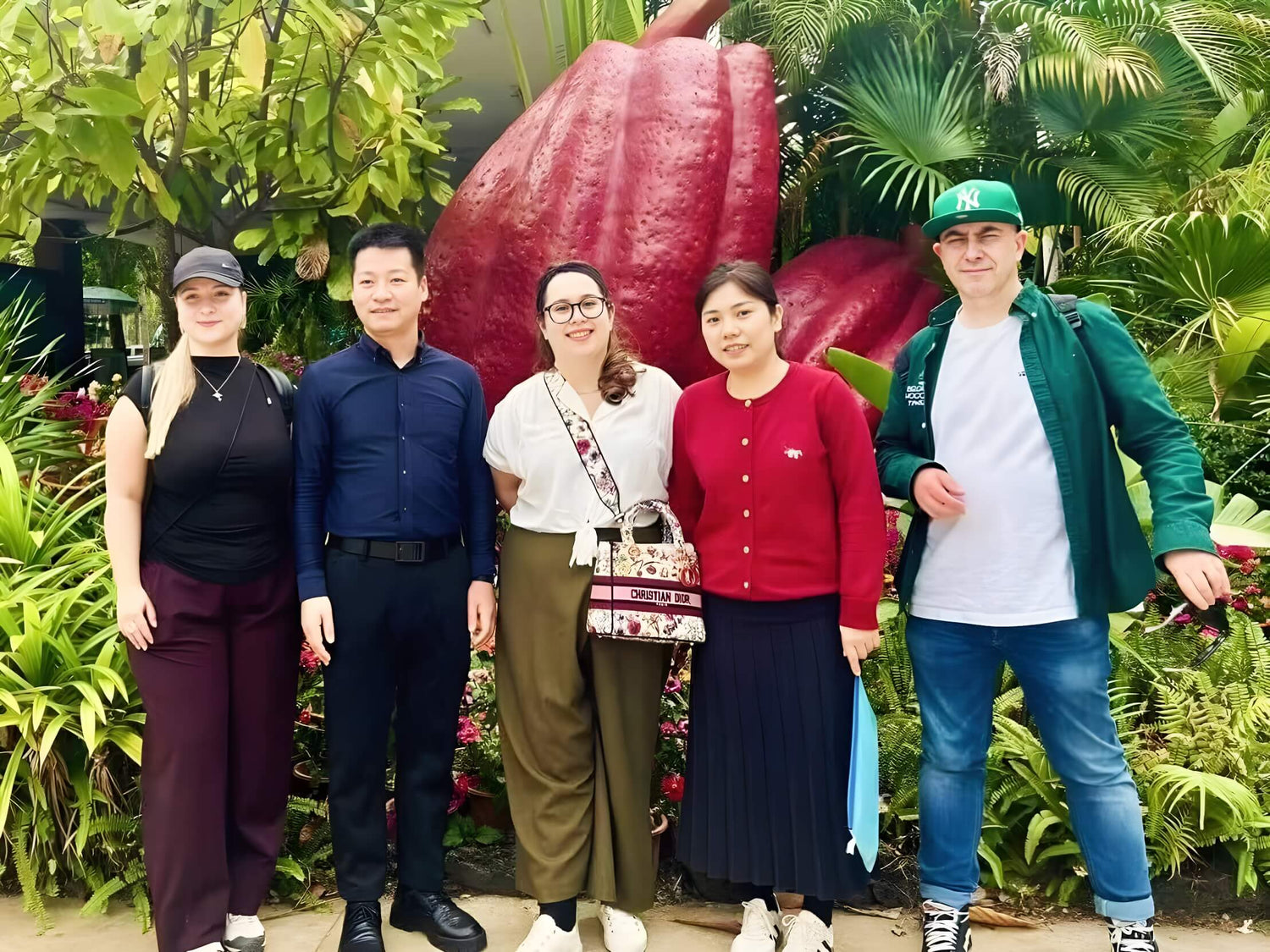
Ethical chocolate begins with accountability. The strongest makers can identify the country of origin, and often the region, cooperative, or farm group supplying their cacao. They communicate their sourcing model in clear terms rather than relying on vague phrases such as "responsibly sourced."
Payment is equally important. Cacao farmers need compensation that reflects both the quality of their crop and the cost of producing it responsibly. Some companies work through Fairtrade structures, while others use direct-trade relationships or long-term purchasing partnerships. Neither approach is automatically superior. Direct trade can create close relationships and allow a maker to pay well above commodity prices, but it should be backed by evidence. Certification can provide useful independent standards, though it may offer less detail about a particular lot of beans.
The final consideration is how chocolate is made. A bean-to-bar maker roasts, grinds, refines, and molds chocolate from cacao beans rather than purchasing industrial couverture. This does not make every bean-to-bar bar ethical by default, but it creates more opportunity for origin-specific flavor, process transparency, and a direct connection between sourcing decisions and the finished bar.
8 Best ethical chocolate brands worth seeking out
These are not arranged as a universal ranking. The right choice depends on whether you value farmer ownership, certified sourcing, detailed origin reporting, regenerative agriculture, or a gift-worthy bean-to-bar experience.
Tony’s Chocolonely
Tony’s Chocolonely has helped make the conversation around inequity in cacao more visible to mainstream shoppers. Its stated mission centers on ending exploitation in the chocolate industry, and its bright, unevenly divided bars turn that message into a memorable visual cue. It is a practical choice for those who want accessible, widely available chocolate from a company that speaks plainly about systemic problems.
Its broad retail presence is a strength, though it also means the experience is more confectionery-led than small-batch. Choose it for a bold ethical mission and familiar, shareable flavors rather than a quiet study in single-origin cacao.
Divine Chocolate
Divine Chocolate stands apart for its farmer-owned model. The company has long been associated with Kuapa Kokoo cocoa farmers in Ghana, giving producers a direct stake in the business behind the finished bars. That ownership structure offers a meaningful answer to a central question: who benefits when chocolate is sold at a premium?
The flavor profile is generally classic and approachable, making Divine a thoughtful option for gifting to someone who appreciates milk or dark chocolate without necessarily seeking highly distinctive fermentation notes.
Dandelion Chocolate
Dandelion Chocolate is admired by specialty chocolate enthusiasts for its minimalist approach. Many of its bars use only cacao beans and sugar, allowing origin and fermentation character to take the lead. The company shares substantial information about its sourcing relationships and pays close attention to the individual personality of each harvest.
This is chocolate for tasting slowly. Some bars can be bright, tart, floral, or deeply roasted, which is exactly the appeal for a curious palate. For a recipient accustomed to very sweet chocolate, however, the intensity may feel less immediately familiar.
Beyond Good
Beyond Good builds its model around making chocolate closer to the source, particularly in Madagascar and Uganda. Its approach emphasizes traceable cacao and value creation in producing countries rather than exporting every step of processing elsewhere. That model can retain more economic activity near the origin of the beans.
The range is a strong fit for shoppers who like expressive fruit-forward dark chocolate. Madagascar cacao is especially known for lively red-fruit acidity, and Beyond Good makes that character easy to recognize.
Original Beans
Original Beans appeals to buyers who see environmental stewardship as inseparable from ethical sourcing. The company focuses on conservation-minded cacao sourcing and has built much of its identity around protecting rare cacao landscapes and supporting restoration efforts.
Its packaging and presentation make it particularly suited to premium gifts. As with any sustainability claim, it is worth looking beyond a single environmental promise and considering the full sourcing story, but Original Beans offers a compelling choice for those drawn to biodiversity and distinctive origins.
Alter Eco
Alter Eco is a useful bridge between everyday availability and values-led purchasing. Its products commonly combine organic and Fairtrade ingredients with a wide selection of familiar formats, including dark chocolate bars, truffles, and indulgent inclusions.
For shoppers feeding a household or assembling a casual thank-you gift, this accessibility matters. The trade-off is that the origin story is usually less granular than at a small bean-to-bar workshop. It is a dependable option when certification and convenience are priorities.
Raaka Chocolate
Raaka Chocolate takes an unconventional route by making unroasted chocolate. This process preserves a distinctive, often tangy and fruit-driven expression of cacao, while the company emphasizes transparent sourcing and organic ingredients.
Its bars are not meant to imitate conventional Belgian-style dark chocolate. They are for the person who enjoys discovering how dramatically cacao can change with process. Consider it a memorable choice for a food-minded gift, especially when paired with a note about its unusual unroasted style.
The Belgian Chocolate Makers
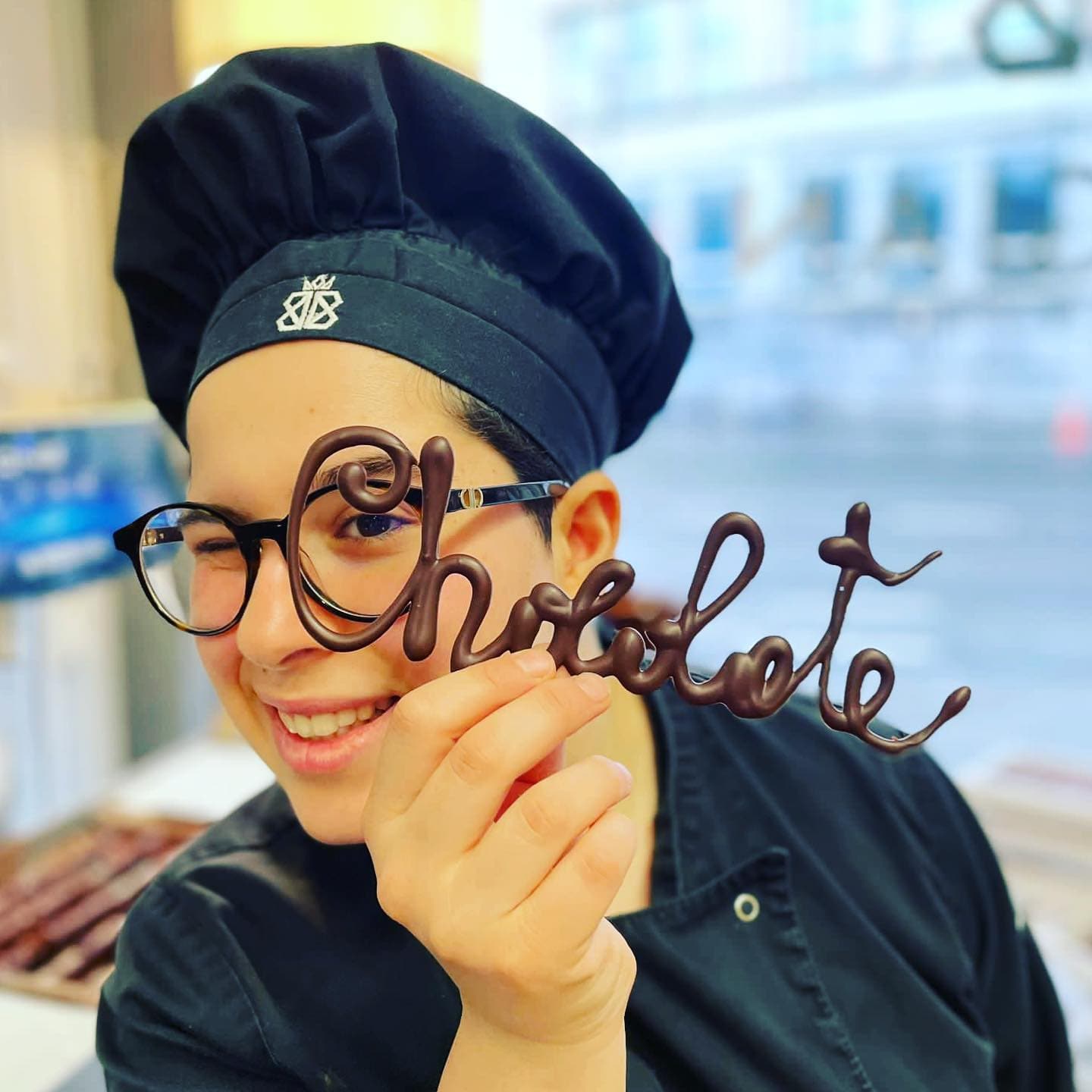
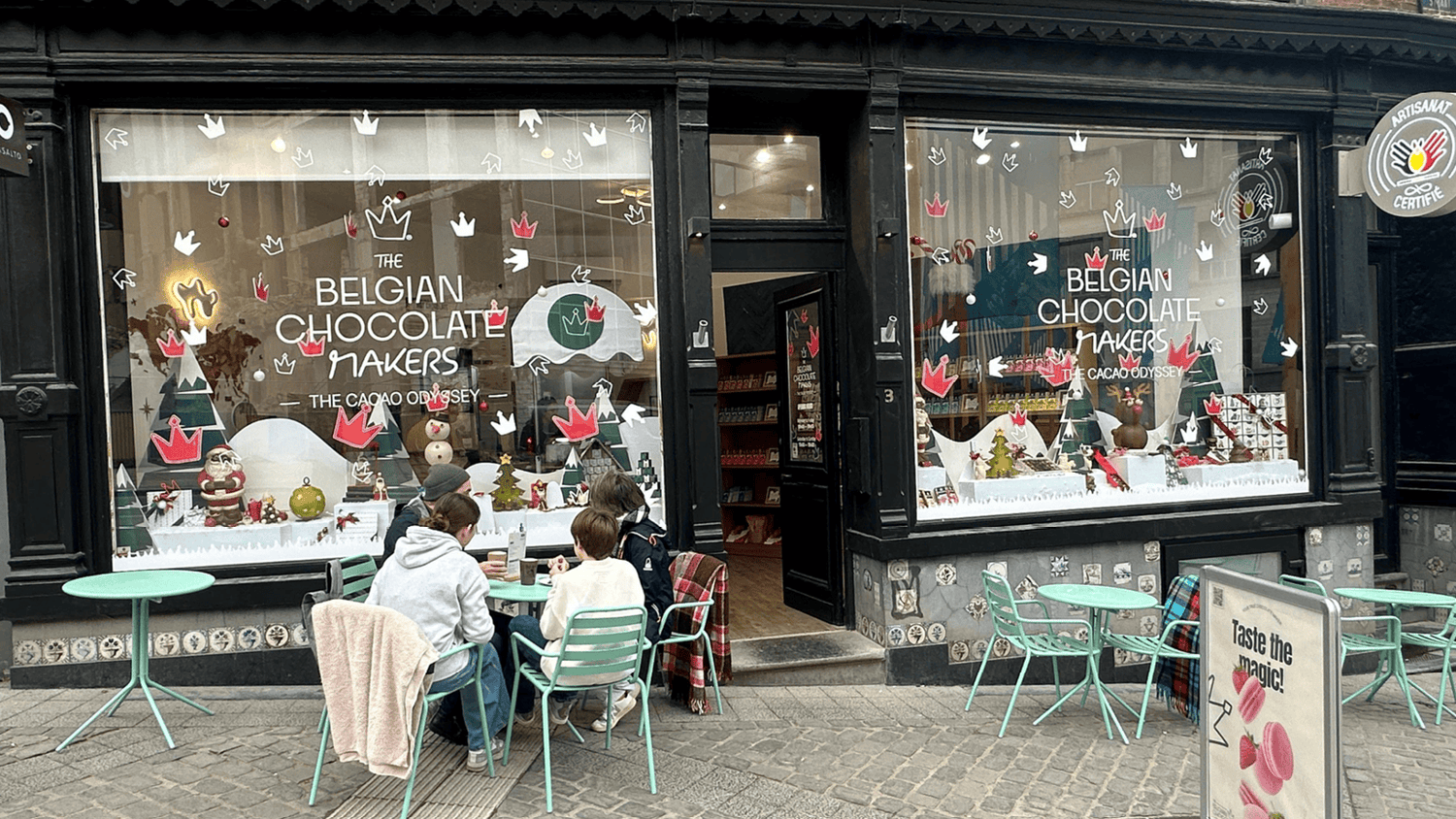
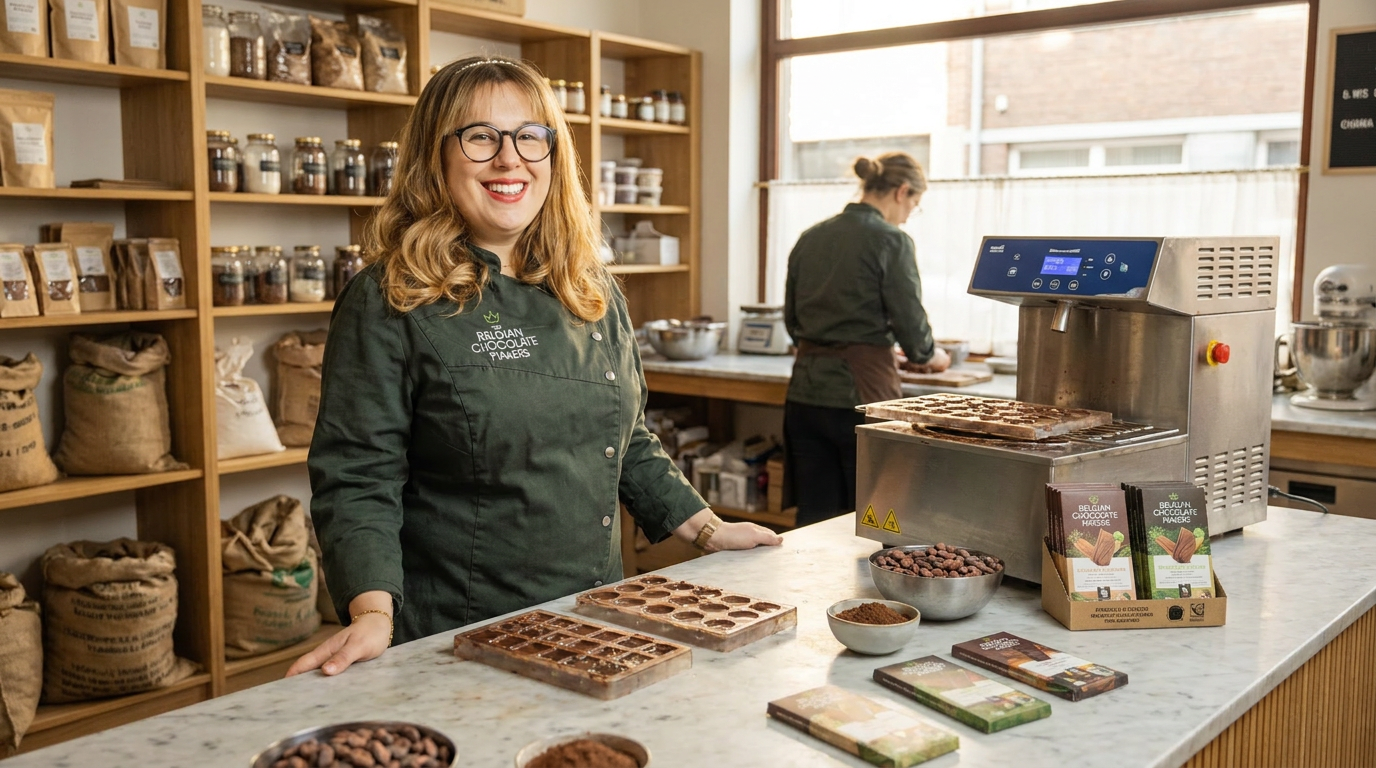
For a gift that combines Belgian chocolate heritage with bean-to-bar integrity, The Belgian Chocolate Makers offers a particularly complete experience. Cacao is transformed in its Brussels workshop, from roasting and refining through molding and finishing, rather than being built around purchased industrial couverture. That in-house control gives the maker a clear connection between carefully sourced beans, flavor development, and final presentation.
The appeal extends beyond bars. Pralines, truffles, spreads, mendiants, and seasonal creations make it easier to choose something polished for a host, client, or celebration while retaining the credibility of true craft chocolate. It is especially well suited to buyers who want both origin awareness and the generosity associated with a classic Belgian gift.
How to choose among ethical chocolate brands
Start with the information on the wrapper or product page. Look for a named origin, a stated relationship with producers or cooperatives, and specific language about purchasing practices. A brand should be able to explain more than its country of origin. It should give you confidence that ethical sourcing is part of how it operates, not a decorative marketing theme.
Then choose for the occasion. A single-origin dark bar is ideal for a discerning chocolate lover who will notice notes of citrus, dried fruit, nuts, or caramel. Milk chocolate, pralines, and truffles are often more welcoming for a broad group or formal gift. For a host gift, presentation matters, but it should never be the only story the box tells.
Finally, taste with attention. Ethical sourcing and exceptional flavor should reinforce each other. When a maker pays attention to cacao variety, harvest quality, fermentation, drying, roasting, and recipe development, the result often has more clarity and character than anonymous chocolate. The most satisfying purchase is one you can offer with confidence, then enjoy down to the final square.