Most chocolate tastes finished long before it reaches the chocolatier. The cocoa mass, cocoa butter, and often the flavor profile have already been decided by an industrial producer. That is exactly why understanding how bean to bar chocolate works matters. In a true bean-to-bar model, the maker begins with raw cacao beans and controls the transformation step by step, shaping flavor, texture, and quality from the very start.
For anyone who buys chocolate with care, whether for personal enjoyment or for a meaningful gift, this distinction is not minor. It affects taste, traceability, freshness, and the credibility behind every bar or praline made from that chocolate. Bean-to-bar is not simply a marketing phrase. It is a production philosophy rooted in craftsmanship and accountability.
How bean to bar chocolate works from the bean onward
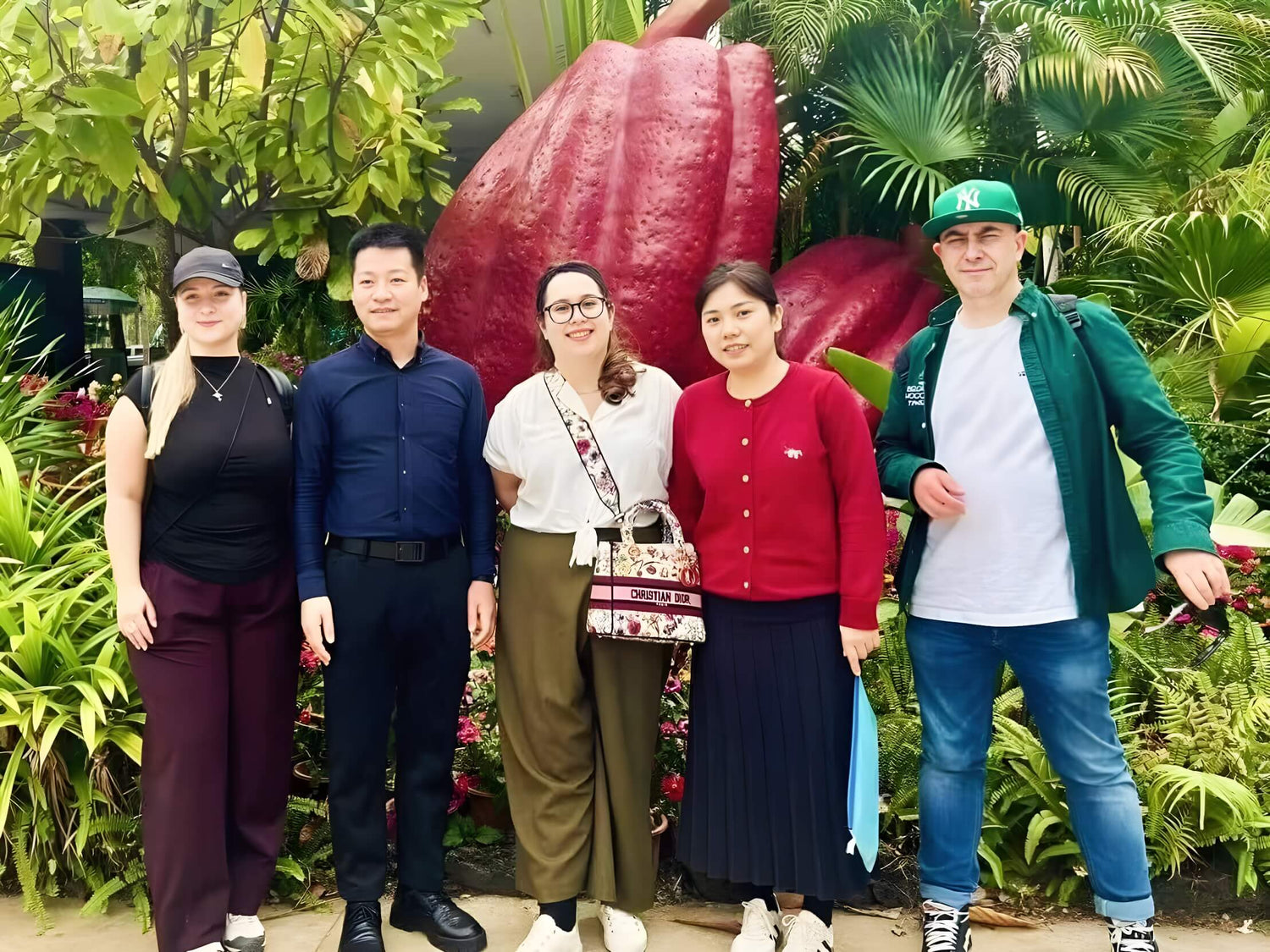
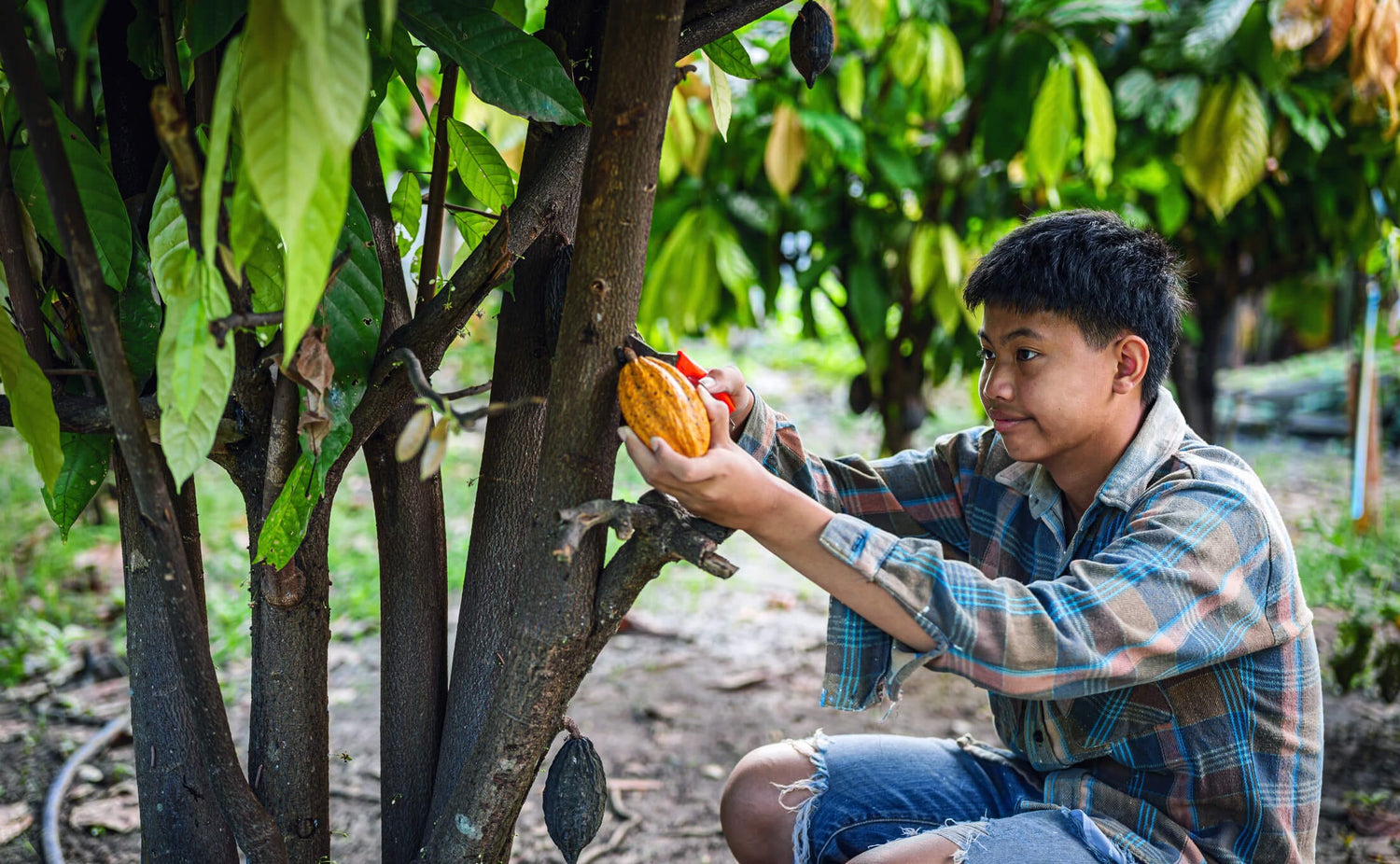
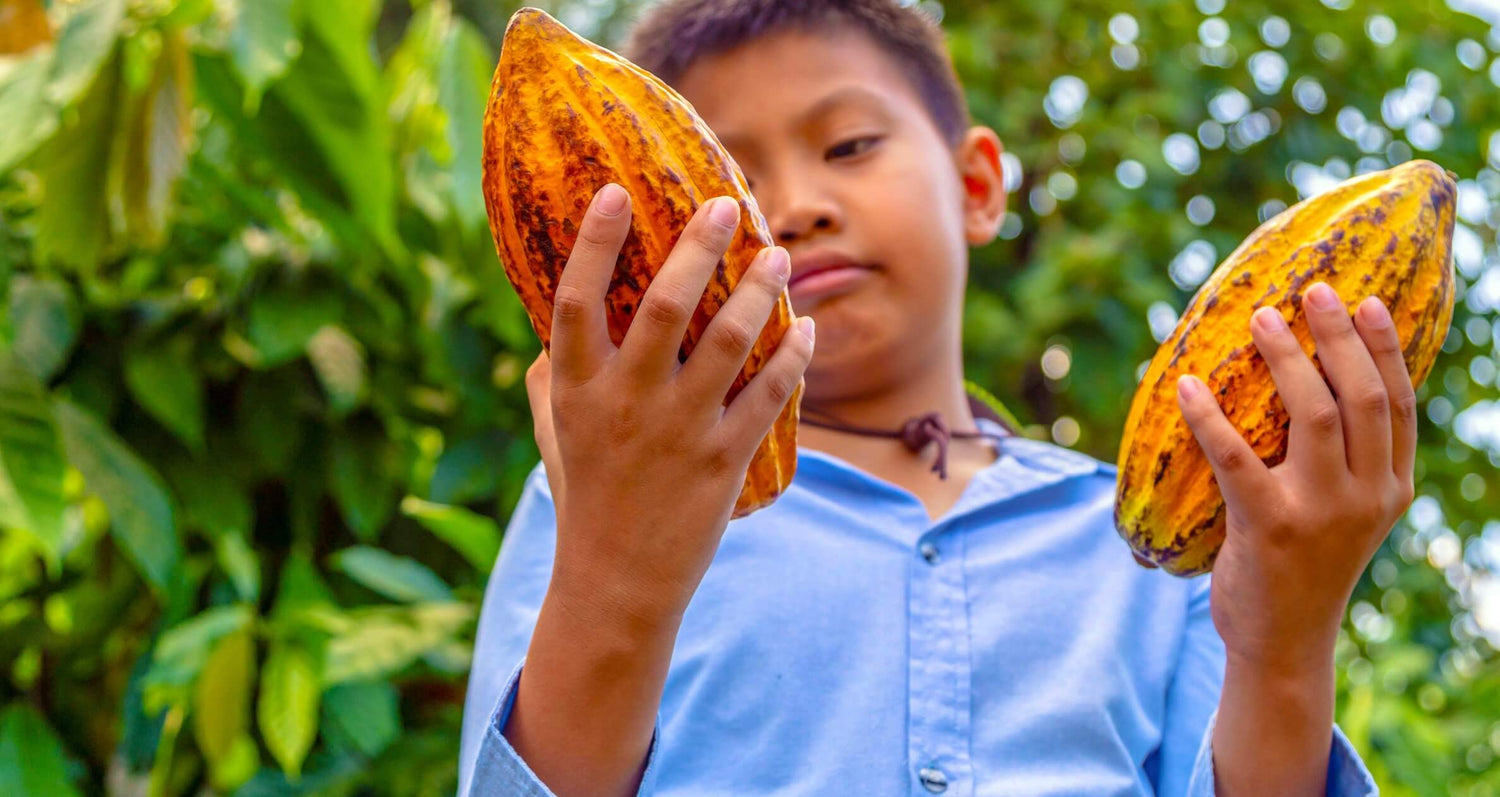
Bean-to-bar chocolate starts with sourcing. Instead of purchasing ready-made couverture from a large manufacturer, the maker selects cacao beans directly from specific farms, cooperatives, or regions. That choice matters because cacao behaves much like coffee or wine. Variety, soil, climate, fermentation practices, and drying conditions all influence the final flavor.
A well-made single-origin chocolate may show notes of red fruit, toasted nuts, honey, citrus, or warm spice without any added flavoring. Those flavors come from the bean itself and from careful processing. If the cacao is poorly fermented or dried, no elegant packaging or high cocoa percentage can fix it later.
Once the beans arrive at the workshop, they are sorted and inspected. Even excellent cacao shipments can contain broken beans, flat beans, fibers, or other foreign material. Removing defects is a quiet but essential part of quality control. It is one of the first examples of why bean-to-bar production is more demanding than simply melting and molding finished chocolate.
Roasting is where flavor begins to take shape
Roasting is one of the most decisive stages in bean-to-bar chocolate making. The goal is not to apply a standard temperature to every cacao bean. The goal is to reveal what is best in that particular lot.
A delicate cacao with floral or fruit-forward character may need a gentler roast to preserve nuance. A deeper, more earthy cacao may benefit from a stronger roast to develop warmth, roundness, and aromatic complexity. Roast too lightly and the chocolate can taste flat, sharp, or underdeveloped. Roast too aggressively and subtle origin notes disappear behind bitterness or burnt flavors.
This is where skill matters more than machinery alone. A true artisan maker adjusts time and temperature according to the bean, not according to a generic formula. In a workshop that produces chocolate in-house, roasting is a creative and technical decision at once.
After roasting, the beans are cracked and winnowed. Cracking breaks the beans into smaller pieces, and winnowing separates the edible cacao nib from the husk. The nib is the part used to make chocolate. The husk has no place in the finished texture, so separation must be precise.
Grinding, refining, and the texture of fine chocolate
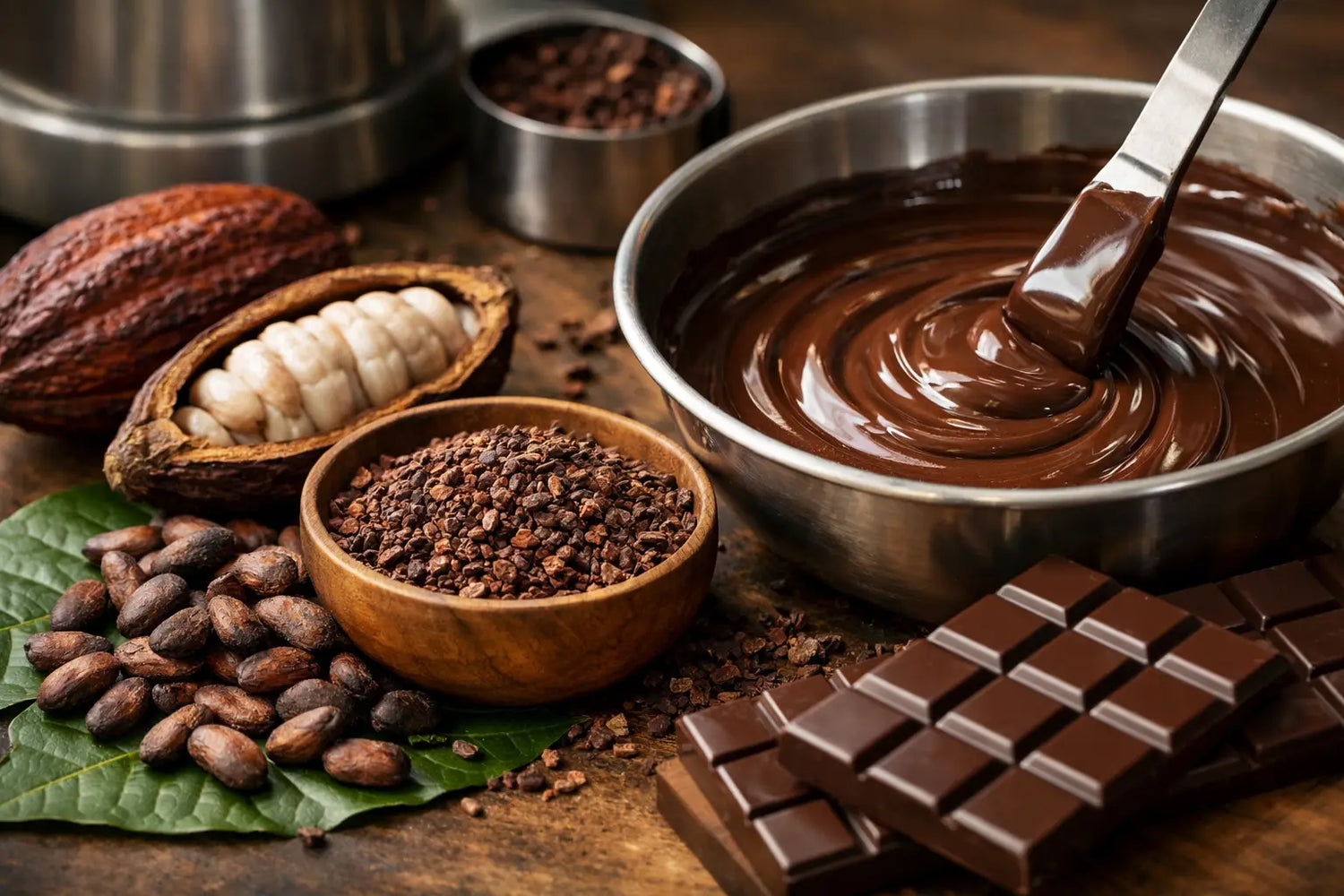
Once the nibs are ready, they are ground into a paste known as cocoa liquor or cocoa mass. Despite the name, there is no alcohol involved. The nib contains both cocoa solids and cocoa butter, and when ground, it naturally becomes fluid from the friction and fat content.
From here, the maker decides how to build the chocolate recipe. For dark chocolate, that usually means combining cocoa mass with sugar and sometimes additional cocoa butter. For milk chocolate, milk powder may be added as well. In bean-to-bar production, even these recipe decisions are part of the craft. The percentage on the label tells only part of the story. Two 70% bars can taste completely different depending on the bean, roast, particle size, and balance of ingredients.
The chocolate is then refined so the particles become small enough to feel smooth on the palate. If refining stops too early, the texture can feel gritty or coarse. If handled carelessly, the result may lose character and become one-dimensional. Fine chocolate should feel polished and clean, but still expressive.
After refining comes conching, a stage that further develops texture and flavor. During conching, the chocolate is mixed, aerated, and kept warm for an extended period. This helps evaporate unwanted volatile acids, rounds the flavor, and creates a more elegant mouthfeel.
Conching is often where rough edges are softened. A chocolate that seemed too sharp after grinding can become balanced and harmonious with proper conching. Yet this stage also involves restraint. Too little conching may leave the chocolate aggressive or uneven. Too much can mute the distinct personality of the cacao. As with roasting, there is no universal setting that suits every origin.
Tempering and molding are not just finishing steps
When people think about chocolate craftsmanship, they often imagine molding, decorating, or filling. These are important stages, but in bean-to-bar work, they come after the harder decisions have already been made.
Before chocolate can be molded into bars, pralines, mendiants, or seasonal creations, it must be tempered. Tempering is the controlled process of heating and cooling chocolate so the cocoa butter forms stable crystals. This gives finished chocolate its shine, clean snap, and smooth melt.
Without proper tempering, even excellent chocolate can look dull, feel soft, or develop bloom on the surface. Bloom does not always mean the chocolate is unsafe, but it does affect appearance and texture. For premium gifting and fine retail presentation, tempering is essential.
Molding then gives the chocolate its final form. In a bean-to-bar workshop, that might mean a classic tasting bar, a filled praline, or a seasonal piece designed for gifting. The key point is that the quality of the finished item still depends on everything that came before it. Decoration cannot compensate for mediocre chocolate underneath.
Why bean to bar chocolate works differently from conventional chocolate
The simplest way to explain how bean to bar chocolate works is this: the maker controls the chocolate itself, not just the finished confection.
Conventional chocolatiers often buy industrial couverture that has already been formulated, refined, and conched by someone else. They may be highly skilled at fillings, shaping, or presentation, but they are not defining the chocolate from origin to bar. That model can still produce attractive sweets, yet it offers far less control over sourcing transparency and flavor development.
Bean-to-bar production asks more of the maker and often costs more for that reason. Small-batch sourcing, careful roasting, longer development, and in-house transformation require time, equipment, and expertise. The reward is greater integrity. The maker can tell you where the cacao came from, how it was treated, and why it tastes the way it does.
For the customer, that means a more meaningful relationship with the product. You are not only buying sweetness or packaging. You are buying decisions made with intention.
Traceability, ethics, and what quality really means
One reason bean-to-bar resonates with modern chocolate buyers is that quality is no longer judged by taste alone. Flavor still comes first, but traceability and ethics matter too.
When cacao is sourced with care, the maker can be more transparent about origin, farming partnerships, and ingredient standards. That does not automatically guarantee perfection. Ethical sourcing is complex, and no serious chocolate maker should pretend otherwise. Supply chains vary by country, harvest, and partner. Still, direct and transparent sourcing creates a stronger basis for accountability than anonymous commodity buying.
This is especially important for customers who want their purchases to reflect their values. A beautifully made chocolate gift carries more weight when it is backed by genuine craftsmanship and a clear sourcing story.
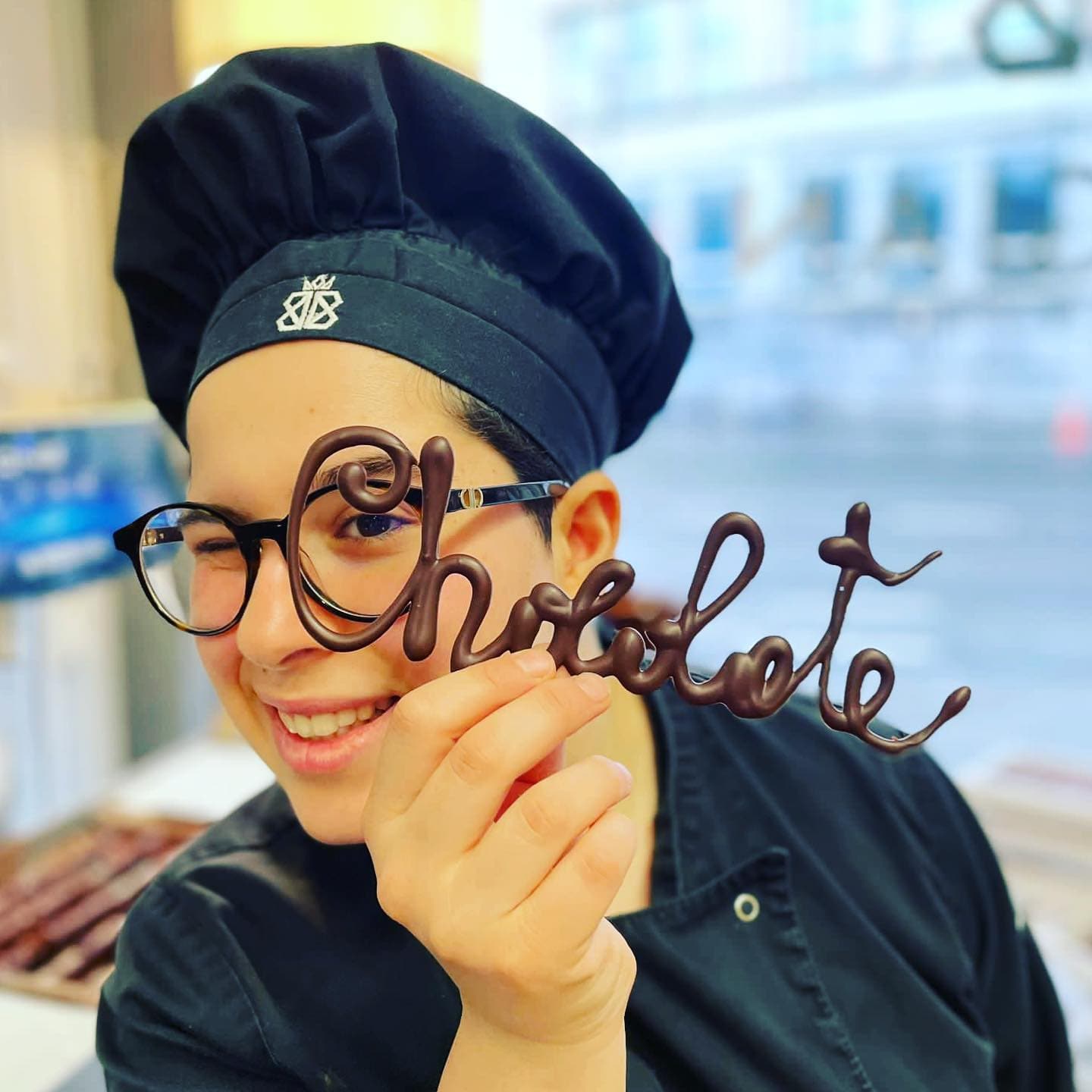
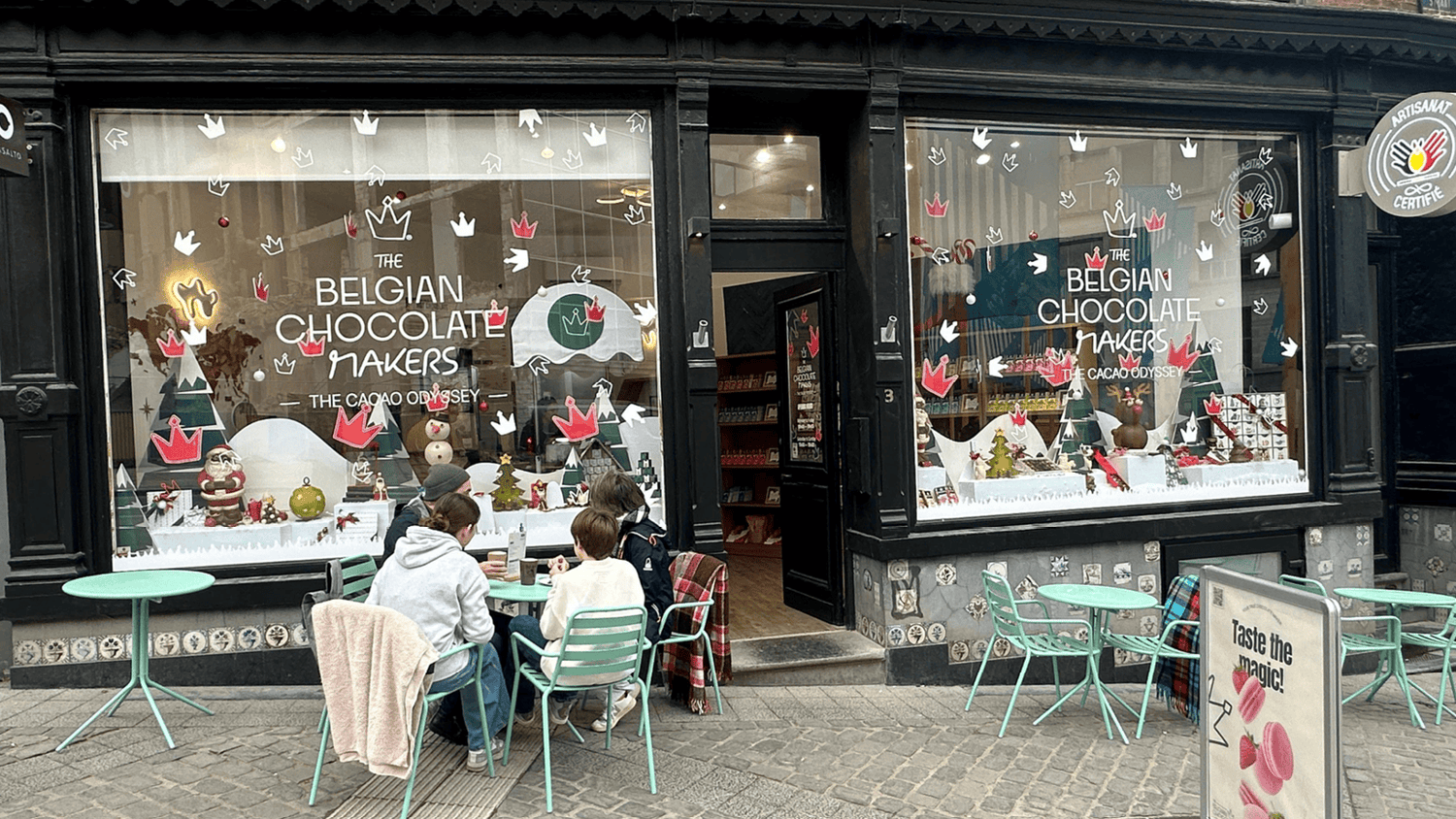
At The Belgian Chocolate Makers, this bean-to-bar approach is central to how chocolate is produced in-house, from roasting and refining through to the final molded piece. That continuity is what gives authenticity substance rather than just style.
What to notice when you taste bean-to-bar chocolate
If you are new to bean-to-bar chocolate, the first surprise is often how distinct different bars can be. One may taste bright and lively, another deep and nutty, another almost tea-like in its finish. That variation is not a flaw. It is the point.
A good bean-to-bar bar should have clarity. The aroma should feel specific rather than generic. The snap should be crisp. The melt should be smooth and even. Most importantly, the flavor should evolve as you taste it instead of delivering only sugar, bitterness, or vanilla.
It is also worth knowing that bean-to-bar chocolate does not always aim for broad uniformity. Some bars are intentionally bold, some subtle, some more approachable for gifting, and some more expressive for experienced tasters. The best choice depends on the moment and the person receiving it.
Bean-to-bar chocolate rewards attention, but it never requires ceremony. A square after dinner, a thoughtful gift, or a carefully chosen bar from a trusted maker can tell you a great deal about where chocolate comes from and what real craftsmanship looks like. Once you taste that difference, ordinary chocolate tends to feel a little less complete.